
Merawat Anjing Minipom: Tips dan Trik untuk Pemilik Baru

Merawat anjing Miniature Pomeranian (Minipom) memerlukan perhatian khusus, mengingat ukuran kecil dan bulu tebal mereka. Berikut adalah beberapa tips dan trik untuk membantu pemilik medusa88  baru merawat sahabat kecil ini dengan baik.

Pertama, jaga kebersihan bulu Minipom dengan rutin menyikatnya. Bulunya yang tebal dan berlapis ganda rentan terhadap kusut dan kotoran. Sikat bulunya setidaknya dua hingga tiga kali seminggu menggunakan sikat yang sesuai untuk menjaga kesehatan dan keindahannya.

Kedua, perhatikan asupan makanan Minipom. Karena ukurannya yang kecil, mereka memerlukan porsi makanan yang tepat dan seimbang. Pilih makanan anjing berkualitas tinggi yang diformulasikan khusus untuk anjing kecil, dan hindari memberikan makanan manusia yang bisa berbahaya bagi mereka.

Ketiga, pastikan Minipom mendapatkan aktivitas fisik yang cukup. Meskipun kecil, mereka memiliki energi yang melimpah. Ajak mereka berjalan-jalan singkat setiap hari dan berikan mainan yang menstimulasi untuk menjaga mereka tetap aktif dan bahagia.

Keempat, lakukan pemeriksaan kesehatan rutin. Bawa Minipom ke dokter hewan secara teratur untuk vaksinasi, pemeriksaan kesehatan, dan pembersihan gigi. Perhatikan tanda-tanda masalah kesehatan seperti perubahan nafsu makan atau perilaku yang tidak biasa.

Kelima, latih sosialisasi sejak dini. Minipom bersifat sosial dan suka berinteraksi dengan orang dan hewan lain. Kenalkan mereka pada berbagai situasi, suara, dan orang untuk membantu mengembangkan sikap yang ramah dan percaya diri.

Akhirnya, berikan perhatian dan kasih sayang. Minipom menikmati kebersamaan dengan pemiliknya dan suka mendapatkan perhatian. Luangkan waktu untuk bermain dan berinteraksi dengan mereka setiap hari.

Dengan perawatan yang tepat, Minipom akan menjadi sahabat setia yang membawa banyak kebahagiaan dan cinta ke dalam hidup Anda.

Extraordinary Stories of Care and Nurture: The Animal Parenthood

unitedfnafans.org – In the vast tapestry of the natural world, the concept of parenthood extends far beyond the human experience. Across the animal kingdom, countless species exhibit remarkable behaviors of care and nurture, often going to extraordinary lengths to ensure the survival and well-being of their offspring. These stories of dedication, sacrifice, and ingenuity not only highlight the depth of parental instinct but also offer valuable lessons on the importance of care and community.

The Devoted Penguins of Antarctica

One of the most heartwarming tales of animal parenthood comes from the Emperor Penguins of Antarctica. In one of the harshest environments on Earth, these penguins undertake an incredible journey to ensure the survival of their chicks. Males incubate the eggs on their feet, protecting them from the freezing temperatures for over two months without food. Once the chicks hatch, the males continue to care for them, eventually passing them to the females who have returned with food. This relay of care showcases an extraordinary level of cooperation and dedication.

The Ingenious Cheetah Mothers

Cheetah mothers are known for their exceptional parenting skills. After giving birth to up to six cubs, a cheetah mother must teach her offspring the art of hunting, a skill crucial for their survival. She does this by leading them on mock hunts and allowing them to practice on small prey. Her dedication to her cubs is unwavering; she will fiercely defend them against predators, even those much larger than herself. The cheetah’s parenting journey is a testament to the lengths mothers will go to ensure their children’s future.

The Collaborative Wolves

Wolves offer a unique perspective on animal parenthood, as they operate in packs where multiple individuals contribute to the care and education of the young. The alpha pair, or the breeding pair, receives help from other pack members, known as “aunts” and “uncles,” in raising their pups. These helpers play a crucial role in teaching the pups essential skills such as hunting, socializing, and defending the pack. This collaborative approach to parenting ensures that the young wolves grow up strong and well-prepared for the challenges of life in the wild.

The Selfless Elephants

Elephants are renowned for their strong family bonds and complex social structures. Matriarchs, older female elephants, play a pivotal role in the family, leading them to food and water sources and protecting them from danger. They also teach the young elephants important social behaviors and skills. The care and nurture provided by elephant families are lifelong, with older members often helping to raise the young, even those not directly related to them. This selfless dedication to the well-being of the herd is a powerful example of community and care.

The Protective Sea Turtles

Female sea turtles face one of the most challenging parenting tasks in the animal kingdom. After laying their eggs on sandy beaches, they return to the sea, leaving their offspring to fend for themselves. However, the ingenious design of their nests and the synchronized hatching of the eggs increase the chances of survival. Once hatched, the tiny turtles instinctively make their way to the ocean, facing numerous predators along the way. The mother’s careful selection of nesting sites and the timing of the hatchlings’ journey are critical factors in their survival, showcasing a different yet equally profound form of parental care.

Conclusion

The stories of animal parenthood are as diverse as they are inspiring. From the devoted penguins of Antarctica to the protective sea turtles, these tales remind us of the universal nature of care and nurture. They highlight the incredible lengths parents will go to ensure the survival and well-being of their offspring, often against the odds. As we marvel at these extraordinary stories, we can learn valuable lessons about dedication, sacrifice, and the importance of community. The animal kingdom offers a wealth of examples of care and nurture, reminding us of the deep connections that bind all living beings.

Africa’s Feared Serpent: The Black Mamba

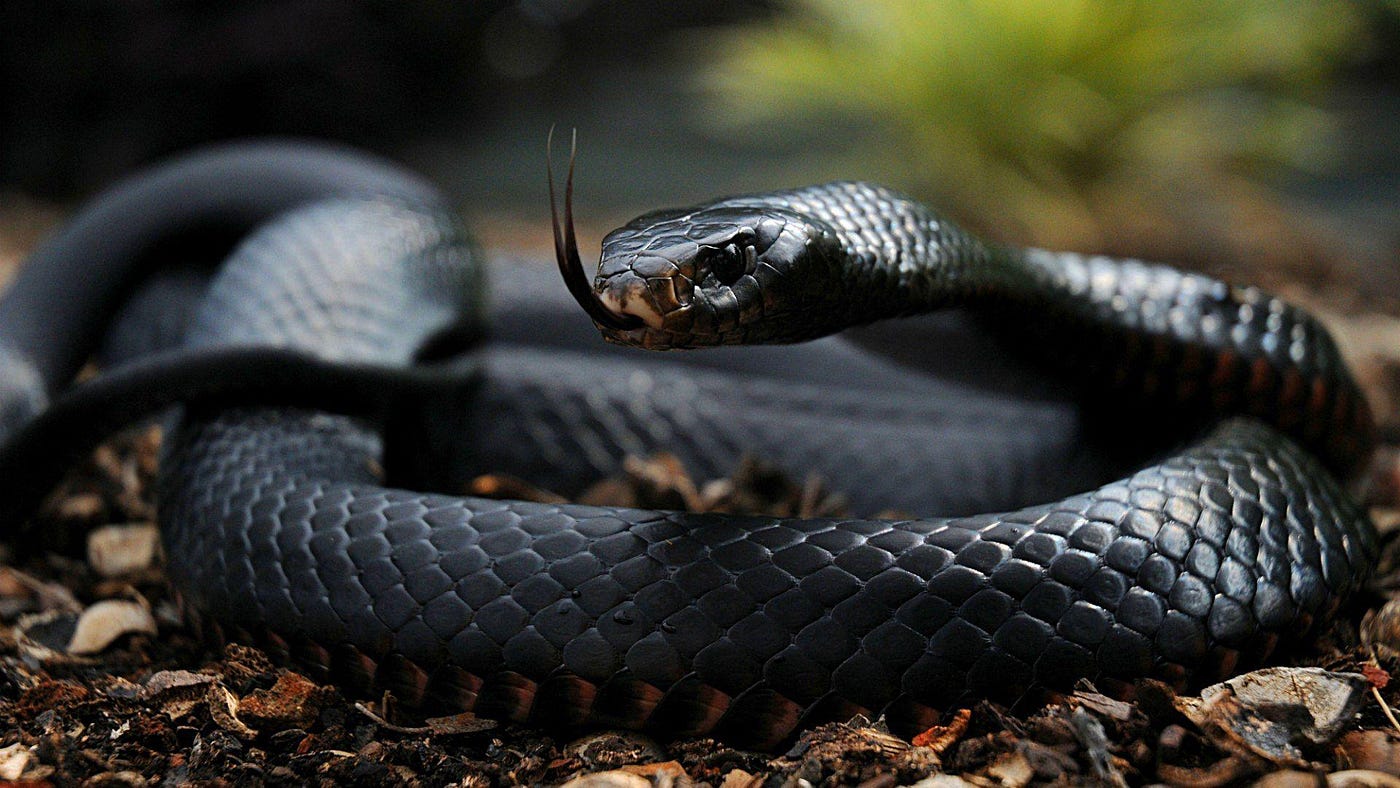
The Black Mamba, scientifically known as Dendroaspis polylepis, is one of the most feared snakes in Africa, and indeed, the world. Its reputation is not just due to its venom, which is among the deadliest in the animal kingdom, but also because of its size, speed, and the striking black color inside its mouth, which it displays as a warning when threatened.

Description

The Black Mamba is the longest species of venomous snake in Africa, with an average length of 2.5 meters (about 8.2 feet), and some specimens reaching up to 4.5 meters (about 14.8 feet). Despite its name, the Black Mamba’s skin color can range from grey to a light brown, but it is the dark, inky black of its mouth that gives it its name. This snake is slender and has a long, narrow head, which is a characteristic feature of the genus Dendroaspis.

Habitat and Distribution

The Black Mamba is found in various habitats across sub-Saharan Africa, including savannas, rocky hills, and light forests. It is particularly common in the grasslands and bushveld regions of South Africa. This species is known for its arboreal habits, often found in trees, where it hunts and seeks refuge.

Behavior and Diet

Black Mambas are diurnal, meaning they are active during the day. They are fast and highly aggressive when threatened, which is a significant reason for their fearsome reputation. Their diet primarily consists of small mammals, birds, and other reptiles. The Black Mamba is known for its speed and can move at up to 16 km/h (about 10 mph), making it one of the fastest snakes in the world.

Venom

The venom of the Black Mamba is highly potent and primarily neurotoxic, affecting the victim’s nervous system. It can cause symptoms such as drooping eyelids, loss of vision, slurred speech, and respiratory failure. A single bite from a Black Mamba can deliver enough venom to kill 10-25 adult humans. However, antivenoms are available, and prompt medical treatment is crucial for survival.

Conservation Status

The Black Mamba is listed as Least Concern by the IUCN Red List of Threatened Species. However, it faces threats from habitat destruction and persecution by humans. In some areas, it is killed out of fear or for use in traditional medicine. Conservation efforts are essential to protect this species and its habitat.

Cultural Significance

In many African cultures, the Black Mamba is a symbol of fear and respect. It features in various myths and folklore across the continent. Despite its deadly reputation, the Black Mamba plays a crucial role in its ecosystem as a predator and is an important part of the natural balance.

Conclusion

The Black Mamba is a remarkable species, both feared and admired for its speed, size, and venom. While it poses a significant threat to humans, it is also a vital part of the African ecosystem. Understanding and respecting this snake, along with conservation efforts, is crucial to ensure its survival and the health of the ecosystems it inhabits.