Unraveling the Mystery of Roanoke: The Enigma of the Lost Colony

unitedfnafans.org – Nestled within the annals of American history lies one of the most perplexing mysteries that has captivated historians, archaeologists, and enthusiasts for centuries: the disappearance of the Roanoke Colony. Established in 1585 on Roanoke Island, part of what is now North Carolina, this English settlement vanished without a trace, leaving behind a legacy of intrigue and speculation.

The Roanoke Colony, often referred to as the “Lost Colony,” was the first attempt by the English to establish a permanent settlement in the New World. Led by Sir Walter Raleigh, the initial expedition was more of a reconnaissance mission, but it was followed by a second group in 1587, which included men, women, and children. Among them was Virginia Dare, the first English child born in the New World.

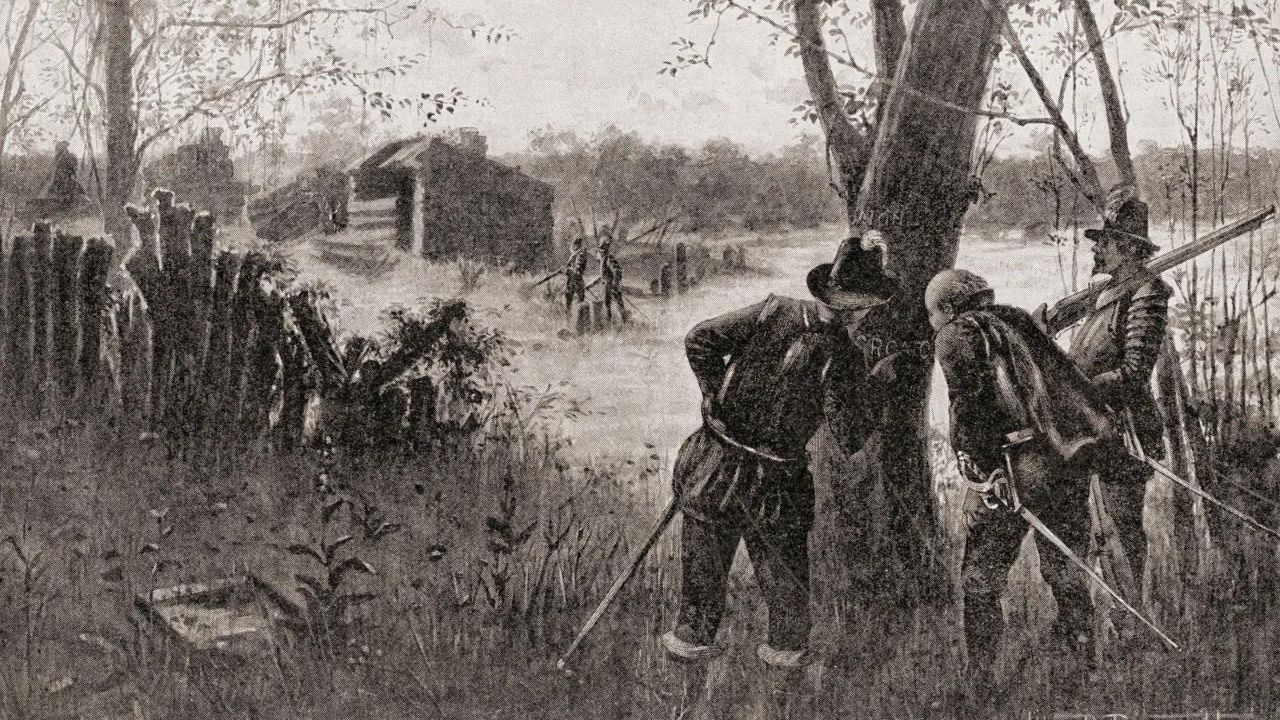
The colony was established under the leadership of John White, who returned to England later that year for supplies. However, due to the political and military turmoil of the Anglo-Spanish War, White was unable to return to Roanoke until 1590. Upon his return, he found the colony deserted. The settlers had vanished, leaving behind only a few clues: the word “Croatoan” carved into a post and the letters “CRO” carved into a tree.

Theories abound regarding the fate of the Roanoke colonists. One of the most plausible explanations is that they assimilated with the local Croatoan tribe, possibly for protection or survival. The carved word “Croatoan” could have been a sign left by the settlers indicating their intention to seek refuge with the tribe. This theory is supported by the fact that the Croatoan tribe was known to be friendly with the English, and there are accounts of John White’s granddaughter, Virginia Dare, living among the Native Americans.

Another theory suggests that the colonists were killed by hostile Native American tribes, such as the Powhatan. The timing of White’s return coincided with the arrival of Spanish ships in the area, which could have led to conflict and potential massacre. However, the lack of any physical evidence of a struggle or mass grave has left this theory unproven.

The “Lost Colony” has inspired countless books, articles, and even a television series, each offering its own interpretation of the events. Archaeological efforts have been ongoing, with the hope of uncovering artifacts or remains that could shed light on the mystery. In recent years, advances in technology have allowed researchers to explore previously inaccessible areas, such as underwater sites where ships may have sunk, potentially carrying clues to the fate of the colonists.

Despite these efforts, the mystery of the Roanoke Colony remains unsolved. The enigma of what happened to the settlers continues to fascinate and frustrate those who seek to understand the true story of America’s first English colony. The Lost Colony serves as a reminder of the hardships faced by early settlers and the mysteries that still lie buried in the sands of time.

In conclusion, the disappearance of the Roanoke Colony remains one of the most enduring mysteries in American history. While we may never know the exact fate of the settlers, the story of Roanoke continues to captivate the imagination and underscores the challenges faced by those who dared to venture into the unknown. As research and technology advance, perhaps one day the veil will be lifted, and the secrets of the Lost Colony will finally be revealed.

The Dark Web, Cybercrime, and the Secrets of the Deep Web

unitedfnafans.org – The internet, as we know it, is merely the tip of the iceberg. Beneath the surface lies the deep web, a vast expanse of unindexed content that remains hidden from traditional search engines. Within this digital underworld exists the dark web, a network accessible only with specialized software, offering anonymity and privacy that has attracted both the curious and the criminal. This article delves into the nexus of cybercrime, Bitcoin, and the secrets that the deep web harbors.

The Dark Web: A Brief Overview
The dark web is a subset of the deep web, intentionally hidden and inaccessible through standard web browsers. It is a place where users can remain anonymous, thanks to networks like Tor (The Onion Router), which encrypt and route internet traffic through multiple nodes to conceal a user’s location and usage from anyone conducting network surveillance or traffic analysis.

Cybercrime and the Dark Web
The anonymity provided by the dark web has made it a hotbed for cybercrime. Here, illicit activities flourish, including the sale of drugs, weapons, stolen data, and even hacking services. The dark web hosts marketplaces where these transactions occur, often using cryptocurrencies like Bitcoin for payments.

Bitcoin: The Currency of the Dark Web
Bitcoin, the first decentralized cryptocurrency, has become the preferred medium of exchange on the dark web due to its pseudonymous nature. Transactions are recorded on a public ledger, but the identities of the parties involved are kept secret. This makes Bitcoin attractive for those looking to conduct business without the prying eyes of law enforcement or financial institutions.

The Role of Bitcoin in Cybercrime
Bitcoin’s use in cybercrime is not limited to the dark web marketplaces. It is also used for ransomware attacks, where cybercriminals encrypt a victim’s data and demand payment in Bitcoin for the decryption key. The untraceable nature of Bitcoin makes it difficult for authorities to track down the perpetrators.

The Deep Web’s Secrets
Beyond the criminal activities, the deep web holds a wealth of information that is not indexed by search engines. This includes private databases, academic papers, and sensitive personal information. While not all of it is nefarious, the sheer volume of data makes it a target for those looking to exploit it for personal gain.

The Challenge for Law Enforcement
The dark web and its use of Bitcoin present significant challenges for law enforcement agencies worldwide. The anonymity and encryption make it difficult to track down criminals and shut down illegal operations. However, with advancements in forensic technology and international cooperation, there have been successful takedowns of dark web marketplaces and arrests of cybercriminals.

Conclusion:
The dark web, with its intricate ties to cybercrime and Bitcoin, is a complex and often misunderstood part of the internet. While it provides a platform for illegal activities, it also offers a space for privacy and freedom of expression that some users value. As technology evolves, so too will the methods of those who use the dark web for nefarious purposes and those who work to keep the digital world safe. Understanding the dark web and its role in the broader context of the internet is crucial for navigating the digital age responsibly and securely.