An Iconic Symbol of St. Louis, Missouri: Gateway Arch

unitedfnafans.org – The Gateway Arch, officially known as the Gateway to the West, is an iconic monument located in St. Louis, Missouri. Standing tall at 630 feet, it is the tallest man-made monument in the United States and has become a symbol of the city’s rich history and its role in the westward expansion of the United States.

Historical Significance

The Gateway Arch was designed by Finnish-American architect Eero Saarinen and was constructed between 1963 and 1965. It was built as a monument to the westward expansion of the United States and to commemorate St. Louis’ role as the starting point of the Lewis and Clark Expedition in 1804. The arch is also a memorial to the thousands of pioneers who passed through St. Louis on their journey westward.

Architectural Marvel

The Gateway Arch is an architectural marvel, with its unique shape and construction. It is a catenary curve, which is the shape that a hanging chain or cable assumes under its own weight when supported at its ends. The arch is constructed from stainless steel skin covering a carbon steel framework and is anchored in 25,980 cubic yards of concrete.

Visitor Experience

Visitors to the Gateway Arch can experience its grandeur by taking a tram ride to the top, where they can enjoy panoramic views of the city of St. Louis, the Mississippi River, and the surrounding area. The arch is also part of the Gateway Arch National Park, which includes the Old Courthouse and other historic buildings, offering a glimpse into the life of St. Louis during the 19th century.

Cultural Impact

The Gateway Arch has become a cultural icon, representing not only the city of St. Louis but also the spirit of exploration and adventure that characterized the westward expansion. It has been featured in numerous films, television shows, and photographs, cementing its place in the American consciousness.

Preservation and Maintenance

To ensure the longevity of this national treasure, the National Park Service conducts regular maintenance and preservation efforts. These include cleaning the stainless steel surface, inspecting and repairing the structural components, and updating the visitor facilities to ensure a safe and enjoyable experience for all visitors.

In conclusion, the Gateway Arch is more than just a monument; it is a symbol of American ingenuity, perseverance, and the pioneering spirit. It stands as a testament to the city of St. Louis’ significant role in the history of the United States and continues to attract visitors from around the world who come to marvel at its beauty and learn about its historical significance.
A Guide to Demons and Their Lore: The Infernal Dictionary

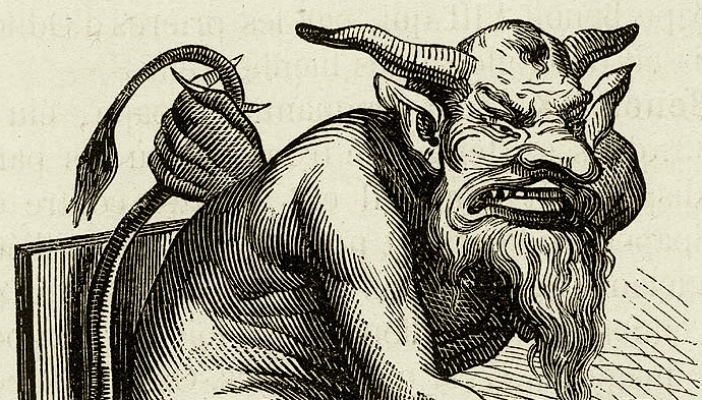
unitedfnafans.org – The Infernal Dictionary is a comprehensive guide that delves into the dark and mysterious world of demons, their origins, and the lore that surrounds them. This encyclopedic work is not for the faint of heart, as it explores the depths of the demonic realm, providing readers with an in-depth look at the various entities that have been feared and revered throughout history.

The Origins of Demons

Demons have been a part of human culture and mythology for millennia. The Infernal Dictionary explores the origins of these entities, tracing their roots back to ancient civilizations and the various religious texts that first mentioned them. From the fallen angels of Christian lore to the djinn of Islamic tradition, the dictionary covers a wide range of demonic origins, shedding light on how these beings have been conceptualized across different cultures.

The Hierarchy of Hell

One of the most intriguing aspects of demonology is the hierarchy of Hell. The Infernal Dictionary provides a detailed overview of this hierarchy, explaining the different ranks and roles that demons play within their infernal society. From the highest-ranking demon lords to the lowliest imps, readers will gain a clear understanding of the complex structure that governs the underworld.

Demonic Classifications

Demons are not a monolithic group; they are diverse entities with various classifications. The Infernal Dictionary categorizes demons based on their attributes, powers, and the domains they control. From the seductive succubi to the fierce warrior demons, each classification is described in detail, complete with historical references and cultural significance.

The Lore of Demonology

The dictionary is rich with lore, detailing the myths, legends, and rituals associated with demons. It covers the various ways in which humans have interacted with these entities, from summoning spells to exorcisms. The lore section also includes stories of famous possessions and encounters with demons, providing a chilling glimpse into the darker side of human history.

The Role of Demons in Art and Literature

Demons have been a popular subject in art and literature for centuries. The Infernal Dictionary examines how these entities have been depicted in various forms of media, from the paintings of Hieronymus Bosch to the works of Dante Alighieri. This section highlights the evolution of demonic imagery and its impact on the creative arts.

Conclusion

The Infernal Dictionary: A Guide to Demons and Their Lore is an essential resource for anyone interested in the dark and complex world of demonology. It offers a comprehensive look at the origins, hierarchy, classifications, and lore of demons, providing readers with a deep understanding of these fearsome entities. Whether you are a scholar of the occult, a fan of horror, or simply curious about the unknown, this dictionary is sure to captivate and enlighten.

The Decline of Kingship: From Kingdom to Republic

unitedfnafans.org – Throughout history, the concept of kingship has been a dominant feature in the political landscape, embodying the pinnacle of power and authority. Kings were often seen as divinely ordained rulers, their reigns marked by grandeur, ceremony, and the absolute control over their subjects. However, the transition from kingdom to republic has been a significant trend in the modern era, reflecting a shift in societal values, the rise of democratic ideals, and the decline of monarchical power. This article explores the decline of kingship and the factors that have contributed to the transformation of kingdoms into republics.

The Decline of Divine Right

One of the foundational pillars of kingship was the doctrine of the divine right of kings, which asserted that monarchs derived their authority directly from God and were thus not accountable to their people. This belief system began to erode with the advent of the Enlightenment, a cultural movement that emphasized reason, individualism, and skepticism of traditional authority. Philosophers such as John Locke and Jean-Jacques Rousseau challenged the notion of absolute monarchy, advocating for government based on the consent of the governed and the protection of individual rights.

The Impact of the French Revolution

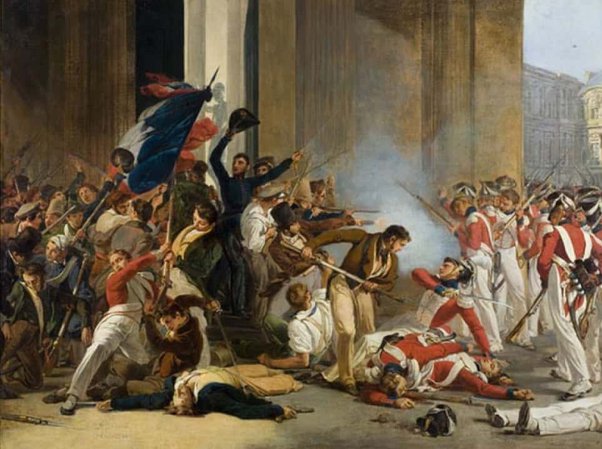
The French Revolution of 1789 was a watershed moment in the decline of kingship. The overthrow of King Louis XVI and the establishment of the First French Republic demonstrated that monarchies were not invincible and that the will of the people could overturn centuries-old systems of rule. The revolution inspired similar movements across Europe and the Americas, setting a precedent for the transition from monarchy to republican forms of government.

The Rise of Nationalism

Nationalism, the idea of forming a nation-state based on shared culture, language, and history, also played a crucial role in the decline of kingship. As nationalist movements gained momentum in the 19th and 20th centuries, many monarchies found themselves at odds with the aspirations of their diverse populations. The Austro-Hungarian Empire, the Ottoman Empire, and the Russian Empire, among others, collapsed under the weight of nationalist pressures, giving way to new republics.

The Influence of World Wars

The two World Wars of the 20th century further weakened the institution of kingship. The devastation wrought by these conflicts discredited many monarchies, which were seen as responsible for the wars or incapable of preventing them. In the aftermath, several European monarchies were abolished or transformed into constitutional monarchies with significantly reduced powers, such as Germany, Austria, and Italy.

The Spread of Democratic Ideals

The spread of democratic ideals has been a powerful force in the decline of kingship. Democracy, with its emphasis on equality, representation, and the rule of law, stands in stark contrast to the hierarchical and often autocratic nature of monarchical rule. As more people around the world have come to value democratic principles, the legitimacy of kingship has diminished, leading to the establishment of republics in many former kingdoms.

The Role of Decolonization

The process of decolonization in the 20th century also contributed to the decline of kingship. As European colonial powers withdrew from their overseas territories, many of these newly independent states chose to establish republics rather than maintain the monarchical systems imposed by their colonizers. This was particularly evident in Africa and Asia, where a wave of republican governments emerged in the mid-20th century.

Conclusion

The decline of kingship and the transition from kingdom to republic represent a profound shift in the way societies organize and govern themselves. This transformation has been driven by a complex interplay of philosophical, political, and social factors, reflecting a broader movement towards democracy, national self-determination, and the rejection of traditional hierarchies. While some monarchies continue to exist, often in ceremonial roles within constitutional frameworks, the era of absolute kingship has largely given way to the rise of republics, embodying the ideals of popular sovereignty and government by the people.

The Psychology Behind Superstition: Fear and the Human Mind

Superstition is a belief in supernatural causality: that one event leads to the cause of another without any physical process linking the two events, such as astrology, omens, witchcraft, etc., that contradicts natural science. It is often bound up with magical thinking and is a component of ritual and tradition. The psychology behind superstition is complex and multifaceted, involving elements of fear, hope, and the human mind’s tendency to seek patterns and control in an unpredictable world.

Fear

One of the primary psychological drivers of superstition is fear. Humans have an innate fear of the unknown and the uncontrollable. Superstitions often arise as a way to manage these fears by providing a sense of predictability and control over outcomes that are, in reality, beyond one’s influence. For example, a person might knock on wood to prevent a negative outcome after making a boastful statement, or carry a lucky charm to ensure success in an important event. These actions are psychological mechanisms to cope with anxiety and uncertainty.

Hope

Superstitions are also fueled by hope. When faced with situations where outcomes are uncertain, such as job interviews, exams, or sporting events, individuals may turn to superstitious behaviors as a way to increase their perceived chances of success. This is because superstitions offer a psychological crutch, providing a sense of hope and optimism in situations where there is little one can do to directly influence the outcome. The belief in lucky charms, rituals, or omens can make individuals feel more confident and less anxious about the future.

The Human Mind’s Pattern Seeking and Need for Control

The human brain is wired to seek patterns and make sense of the world through cause-and-effect relationships. This cognitive bias, known as apophenia, leads people to see patterns or connections where none exist, especially in random sequences of events. When a person experiences a positive outcome following a certain action or ritual, they might attribute the success to their superstitious behavior, reinforcing the belief in its efficacy. This pattern recognition, combined with the human need for control, drives the persistence of superstitions.

Cognitive Dissonance and Confirmation Bias

Once a superstitious belief is established, cognitive dissonance and confirmation bias play significant roles in its maintenance. Cognitive dissonance is the discomfort experienced when holding two contradictory beliefs, and individuals often resolve this discomfort by rejecting information that contradicts their beliefs. Confirmation bias is the tendency to search for, interpret, favor, and recall information in a way that confirms one’s preexisting beliefs or hypotheses. Together, these cognitive biases lead individuals to remember instances where their superstitions “worked” and overlook or rationalize instances where they did not, further entrenching the superstitious belief.

Conclusion

Superstition is a fascinating aspect of human psychology that intertwines fear, hope, and the human mind’s natural tendencies to seek patterns and control. It reflects our deep-seated need to make sense of the world and to feel that we have some influence over our destinies, even in the face of overwhelming evidence to the contrary. Understanding the psychology behind superstition sheds light on the complexities of human thought and behavior, highlighting the intricate interplay between emotion, cognition, and belief.