7 Motor Paling Keren yang Jadi Impian Pecinta Otomotif

unitedfnafans– Motor selalu memiliki tempat khusus di hati pecinta otomotif. Selain praktis untuk digunakan sehari-hari, motor juga menjadi simbol gaya hidup dan hobi. Banyak produsen motor menghadirkan desain modern, mesin bertenaga, dan teknologi canggih untuk menarik perhatian penggemar otomotif di seluruh dunia roulette.

Beberapa motor terkenal karena kecepatannya, sementara yang lain populer karena desain unik dan suara mesin yang khas. Tidak sedikit orang yang menjadikan motor impian sebagai motivasi untuk terus bekerja keras. Berikut ini tujuh motor paling keren yang sering menjadi favorit pecinta otomotif.

1. Ducati Panigale V4

Ducati Panigale V4 dikenal sebagai salah satu motor sport paling keren di dunia. Desainnya terlihat agresif, tajam, dan sangat modern. Motor ini memiliki mesin bertenaga besar yang mampu memberikan performa luar biasa di jalan maupun sirkuit.

Selain tampilannya yang sporty, suara mesin Ducati juga menjadi daya tarik utama. Banyak pecinta motor menyukai Panigale V4 karena memberikan kesan mewah dan eksklusif.

2. Kawasaki Ninja H2

Kawasaki Ninja H2 terkenal karena performanya yang sangat tinggi. Motor ini memiliki desain futuristis dengan bodi aerodinamis yang membuatnya terlihat seperti motor masa depan. Ninja H2 juga menggunakan teknologi supercharger yang membuat akselerasinya sangat cepat.

Motor ini cocok bagi pengendara yang menyukai kecepatan dan tampilan agresif. Kehadiran Kawasaki Ninja H2 selalu berhasil menarik perhatian di jalan.

3. Yamaha YZF-R1

Yamaha YZF-R1 menjadi salah satu motor sport favorit di dunia. Desainnya terinspirasi dari motor balap MotoGP sehingga terlihat sangat sporty. Motor ini memiliki handling yang baik dan performa tinggi.

Banyak penggemar otomotif memilih Yamaha R1 karena tampilannya modern dan nyaman digunakan untuk touring maupun berkendara harian.

4. Harley-Davidson Fat Boy

Harley-Davidson Fat Boy memiliki karakter berbeda dari motor sport. Motor ini tampil dengan gaya klasik dan bodi besar yang terlihat gagah. Suara mesinnya sangat khas dan menjadi ciri utama motor Harley-Davidson.

Fat Boy cocok untuk pengendara yang menyukai perjalanan santai dan gaya touring. Motor ini juga sering muncul dalam film terkenal sehingga popularitasnya semakin besar.

5. BMW S1000RR

BMW S1000RR terkenal sebagai motor sport premium dengan teknologi canggih. Desainnya terlihat modern dan aerodinamis. Motor ini memiliki fitur elektronik yang membantu pengendara mengontrol kecepatan dan stabilitas.

Performa tinggi serta tampilan elegan membuat BMW S1000RR menjadi salah satu motor impian banyak orang.

6. Honda CBR1000RR-R Fireblade

Honda Fireblade menjadi simbol motor sport yang cepat dan stabil. Desainnya terlihat tajam dengan nuansa balap yang kuat. Motor ini terkenal memiliki mesin responsif dan nyaman dikendarai.

Banyak pecinta otomotif menyukai Fireblade karena kombinasi antara performa tinggi dan kualitas mesin Honda yang terkenal tahan lama.

7. KTM Duke 390

KTM Duke 390 memiliki desain naked bike yang modern dan agresif. Bentuk bodinya ringan, ramping, dan cocok untuk penggunaan di perkotaan. Motor ini populer di kalangan anak muda karena tampilannya sporty dan handling yang lincah.

Selain itu, harga KTM Duke 390 lebih terjangkau dibanding beberapa motor sport premium lainnya sehingga banyak orang tertarik memilikinya.

Kesimpulan

Tujuh motor di atas memiliki daya tarik yang berbeda. Ducati Panigale V4 unggul dengan desain agresif, Kawasaki Ninja H2 terkenal karena kecepatannya, Yamaha R1 tampil sporty, Harley-Davidson Fat Boy membawa gaya klasik, BMW S1000RR hadir dengan teknologi modern, Honda Fireblade terkenal stabil, dan KTM Duke 390 cocok untuk gaya anak muda.

Dunia otomotif roda dua terus berkembang dengan desain dan teknologi yang semakin menarik. Karena itu, motor tidak hanya menjadi alat transportasi, tetapi juga bagian dari gaya hidup dan hobi banyak orang.
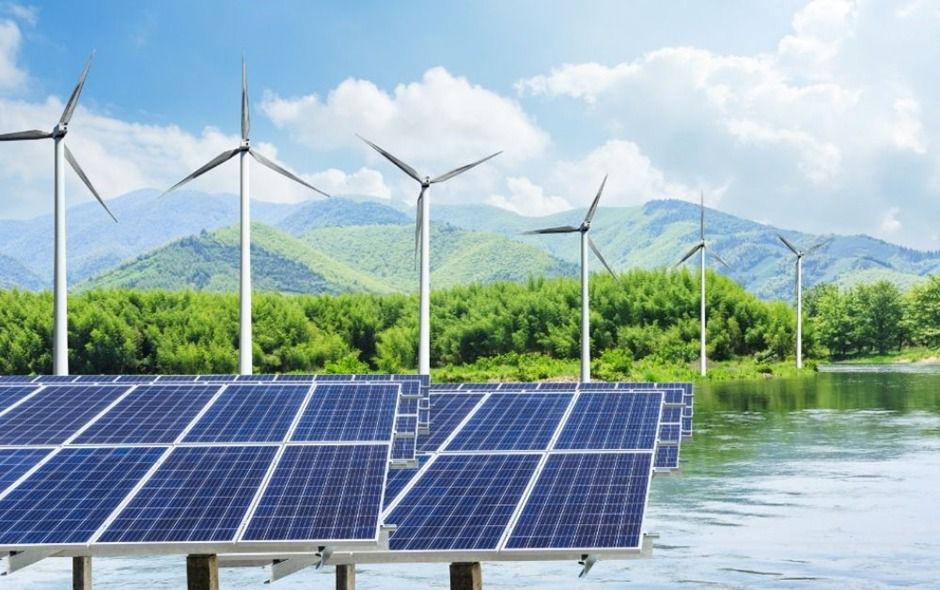
Innovations in Renewable Energy: Solar, Beyond, and Wind

unitedfnafans.org – Renewable energy sources have become pivotal in the global effort to reduce carbon emissions and combat climate change. Innovations in this sector are continually evolving, making renewable energy more efficient, affordable, and accessible. This article explores the latest advancements in solar and wind energy, as well as emerging technologies that are poised to revolutionize the renewable energy landscape.

Solar Energy Innovations

1. Perovskite Solar Cells

Perovskite solar cells have emerged as a game-changer in the solar industry. These cells use a new type of material that can be manufactured at a lower cost compared to traditional silicon-based cells. Perovskite cells also offer higher efficiency rates and can be produced using simpler, less energy-intensive processes. Researchers are striving to improve their stability and longevity to make them commercially viable.

2. Bifacial Solar Panels

Bifacial solar panels capture sunlight on both sides, significantly increasing energy output. These panels can be installed on various surfaces, including rooftops and ground-mounted systems, and are particularly effective in locations with high albedo, such as snowy or sandy areas. The ability to harness reflected sunlight boosts their overall efficiency.

3. Solar Skin Design

Solar skin design technology allows solar panels to blend seamlessly with the aesthetics of a building. This innovation uses customizable graphics to make solar panels look like traditional roofing materials. It enhances the visual appeal of solar installations, encouraging more homeowners and businesses to adopt solar energy without compromising on design.

Wind Energy Innovations

1. Floating Wind Turbines

Floating wind turbines represent a significant advancement in harnessing wind power from deep-sea locations. Unlike traditional fixed-bottom turbines, floating turbines can be anchored in waters deeper than 60 meters. This technology opens up vast new areas for wind energy production, particularly in regions where coastal waters are deep.

2. Vertical Axis Wind Turbines (VAWTs)

Vertical axis wind turbines (VAWTs) are gaining attention due to their unique design, which allows them to capture wind from any direction. This makes them suitable for urban environments where wind patterns are unpredictable. VAWTs are also quieter and require less maintenance compared to traditional horizontal axis wind turbines.

3. Wind Turbine Blade Recycling

Wind turbine blades are typically made from composite materials that are difficult to recycle. However, new methods are being developed to address this issue. Researchers are exploring chemical recycling processes that break down the blades into reusable raw materials. This innovation reduces waste and enhances the sustainability of wind energy production.

Beyond Solar and Wind: Emerging Technologies

1. Hydrogen Fuel Cells

Hydrogen fuel cells are becoming a promising alternative for energy storage and transportation. These cells produce electricity by combining hydrogen and oxygen, with water being the only byproduct. Innovations in hydrogen production, storage, and distribution are making this technology more viable. Green hydrogen, produced using renewable energy sources, is particularly notable for its potential to decarbonize various industries.

2. Ocean Energy

Ocean energy, including tidal and wave power, is an emerging field with vast potential. Tidal energy harnesses the gravitational forces between the earth and the moon, while wave energy captures the kinetic energy of ocean waves. Advances in turbine design and energy conversion technologies are increasing the efficiency and reliability of ocean energy systems.

3. Bioenergy

Bioenergy involves converting organic materials, such as agricultural waste and algae, into energy. Innovations in bioenergy are focusing on improving the efficiency of biofuel production and developing new methods to utilize a wider range of biomass sources. Advanced biofuels, such as cellulosic ethanol and algae-based fuels, offer cleaner alternatives to fossil fuels.

Conclusion

The renewable energy sector is witnessing rapid advancements that are transforming how we generate and use energy. Innovations in solar and wind technologies are enhancing efficiency and reducing costs, while emerging technologies like hydrogen fuel cells, ocean energy, and bioenergy are opening new frontiers. These developments are crucial for achieving a sustainable and carbon-neutral future, demonstrating that the possibilities for renewable energy are boundless. As research and development continue, the world can look forward to a more resilient and environmentally friendly energy landscape.