
The Designer’s Imagination: Beyond the Blueprint

unitedfnafans.org – In the world of design, the blueprint is often seen as the starting point, the foundation upon which all else is built. It is the literal translation of an idea into a form that can be shared, critiqued, and eventually brought to life. However, the essence of design is not confined to the lines and dimensions of a blueprint; it is a process that begins long before the first draft is ever sketched. It is in the realm of the designer’s imagination where the true magic of design unfolds.

The designer’s imagination is a boundless space, a creative vortex where ideas are born, nurtured, and transformed. It is a place where the constraints of reality are momentarily suspended, allowing for the exploration of possibilities that may seem outlandish or impractical at first glance. This is not to say that the designer’s imagination is a chaotic, unstructured mess. On the contrary, it is a highly disciplined environment where creativity and critical thinking converge.

The journey from imagination to blueprint is a complex one, requiring a delicate balance between vision and practicality. A designer must be able to dream big while also understanding the limitations imposed by materials, technology, budget, and the laws of physics. It is this tension between the ideal and the possible that gives the design process its dynamic nature.

One of the key aspects of the designer’s imagination is the ability to empathize with the end-user. Great design is not just about creating something that looks good or functions well; it is about addressing the needs and desires of the people who will interact with it. This requires a deep understanding of human behavior, culture, and context. Designers must be adept at putting themselves in someone else’s shoes, imagining how their creations will be experienced by others.

Another important facet of the designer’s imagination is the willingness to experiment and take risks. Innovation often comes from pushing boundaries and challenging the status quo. Designers who are afraid to venture into uncharted territory will never discover new solutions or create groundbreaking work. It is through trial and error, through the exploration of unconventional materials and methods, that truly original designs emerge.

The role of technology in the designer’s imagination cannot be overstated. Advances in software and hardware have opened up new avenues for exploration, allowing designers to visualize and prototype their ideas with unprecedented speed and accuracy. Virtual reality, 3D printing, and AI are just a few examples of how technology is expanding the horizons of what is possible in design.

However, technology is not a substitute for the human touch. The most sophisticated algorithms and machines cannot replicate the creativity and intuition of a skilled designer. It is the designer’s unique perspective, shaped by their experiences, knowledge, and emotions, that gives each design its soul.

In conclusion, the blueprint is a critical tool in the design process, but it is only a snapshot of a much larger and more complex journey. Beyond the blueprint lies the designer’s imagination, a realm of infinite possibilities where ideas are born, tested, and refined. It is here that the true essence of design resides, a blend of creativity, empathy, and technical expertise that has the power to shape the world around us. As we continue to navigate the challenges and opportunities of the future, the role of the designer’s imagination will only grow in importance, reminding us that the most valuable resource in the design process is the human mind.
Advanced Concepts from Beyond: Alien Technology

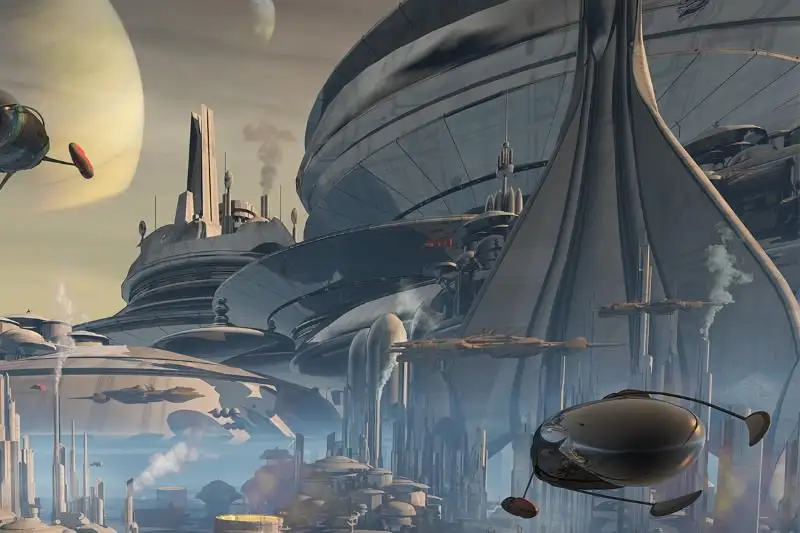
unitedfnafans.org – The allure of alien technology has long fascinated humanity, sparking the imagination of scientists, writers, and dreamers alike. The concept of extraterrestrial civilizations possessing advanced technology far beyond our own has been a staple in science fiction and a topic of serious scientific inquiry. While concrete evidence of alien technology remains elusive, the theoretical exploration of such concepts can inspire new avenues of research and innovation on Earth. In this article, we will delve into the advanced concepts that could potentially define alien technology, drawing from scientific speculation, theoretical physics, and the realms of science fiction.

  1. Propulsion and Space Travel:
    One of the most intriguing aspects of alien technology is the potential for advanced propulsion systems that could allow for interstellar travel. Theoretical concepts such as the Alcubierre drive propose a method of moving faster than light by contracting space in front of a spacecraft and expanding it behind, effectively allowing the ship to ride a wave through space-time. Another concept is the manipulation of dark energy or the use of exotic matter to propel spacecraft to incredible speeds.
  2. Energy Manipulation:
    Alien civilizations might have mastered the art of energy manipulation, harnessing the power of their stars or tapping into the vast energy of black holes. The concept of a Dyson Sphere, a hypothetical megastructure that could encompass a star and capture a large percentage of its power output, is one such example. Advanced energy technologies could also involve zero-point energy, which is theorized to be extractable from the vacuum of space itself.
  3. Quantum Computing and Communication:
    Quantum mechanics could be the foundation of alien technology, with advanced civilizations utilizing quantum computing for unparalleled processing power. Quantum entanglement might be used for instantaneous communication across vast distances, bypassing the speed of light limitations that currently bind our understanding of the cosmos.
  4. Biotechnology and Genetic Engineering:
    Alien technology might include sophisticated biotechnology and genetic engineering, allowing for the creation of custom life forms or the enhancement of existing ones. This could lead to symbiotic relationships between technology and biology, with organisms and machines merging in ways that are difficult for us to comprehend.
  5. Matter Replication and Nanotechnology:
    The ability to replicate matter or use nanotechnology to manipulate materials at the atomic level could be a hallmark of alien technology. This would enable the construction of complex structures with ease, the repair of objects and organisms at a microscopic scale, and the potential for self-replicating machines.
  6. Environmental Engineering:
    Advanced civilizations might have the technology to terraform planets, altering entire worlds to suit their needs. This could involve controlling weather patterns, altering atmospheric compositions, and even adjusting a planet’s orbit to create a habitable environment.
  7. Consciousness and Artificial Intelligence:
    The integration of consciousness with technology or the creation of advanced artificial intelligence could be another facet of alien technology. This might lead to the emergence of post-biological civilizations where the distinction between organic beings and machines blurs.

Conclusion:
While the existence of alien technology remains speculative, the exploration of these advanced concepts challenges our understanding of physics, biology, and the potential future of human technology. The pursuit of such ideas not only fuels our curiosity about the cosmos but also drives us to push the boundaries of our own scientific and technological capabilities. As we continue to search for extraterrestrial life and ponder the mysteries of the universe, the dream of encountering alien technology remains a powerful catalyst for human innovation and exploration.

Innovations in Renewable Energy: Solar, Beyond, and Wind

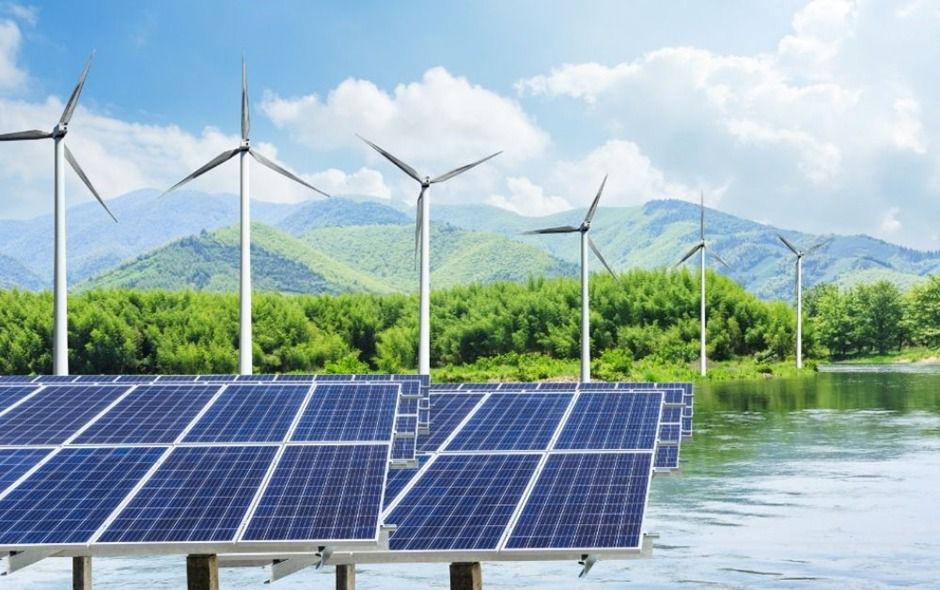
unitedfnafans.org – Renewable energy sources have become pivotal in the global effort to reduce carbon emissions and combat climate change. Innovations in this sector are continually evolving, making renewable energy more efficient, affordable, and accessible. This article explores the latest advancements in solar and wind energy, as well as emerging technologies that are poised to revolutionize the renewable energy landscape.

Solar Energy Innovations

1. Perovskite Solar Cells

Perovskite solar cells have emerged as a game-changer in the solar industry. These cells use a new type of material that can be manufactured at a lower cost compared to traditional silicon-based cells. Perovskite cells also offer higher efficiency rates and can be produced using simpler, less energy-intensive processes. Researchers are striving to improve their stability and longevity to make them commercially viable.

2. Bifacial Solar Panels

Bifacial solar panels capture sunlight on both sides, significantly increasing energy output. These panels can be installed on various surfaces, including rooftops and ground-mounted systems, and are particularly effective in locations with high albedo, such as snowy or sandy areas. The ability to harness reflected sunlight boosts their overall efficiency.

3. Solar Skin Design

Solar skin design technology allows solar panels to blend seamlessly with the aesthetics of a building. This innovation uses customizable graphics to make solar panels look like traditional roofing materials. It enhances the visual appeal of solar installations, encouraging more homeowners and businesses to adopt solar energy without compromising on design.

Wind Energy Innovations

1. Floating Wind Turbines

Floating wind turbines represent a significant advancement in harnessing wind power from deep-sea locations. Unlike traditional fixed-bottom turbines, floating turbines can be anchored in waters deeper than 60 meters. This technology opens up vast new areas for wind energy production, particularly in regions where coastal waters are deep.

2. Vertical Axis Wind Turbines (VAWTs)

Vertical axis wind turbines (VAWTs) are gaining attention due to their unique design, which allows them to capture wind from any direction. This makes them suitable for urban environments where wind patterns are unpredictable. VAWTs are also quieter and require less maintenance compared to traditional horizontal axis wind turbines.

3. Wind Turbine Blade Recycling

Wind turbine blades are typically made from composite materials that are difficult to recycle. However, new methods are being developed to address this issue. Researchers are exploring chemical recycling processes that break down the blades into reusable raw materials. This innovation reduces waste and enhances the sustainability of wind energy production.

Beyond Solar and Wind: Emerging Technologies

1. Hydrogen Fuel Cells

Hydrogen fuel cells are becoming a promising alternative for energy storage and transportation. These cells produce electricity by combining hydrogen and oxygen, with water being the only byproduct. Innovations in hydrogen production, storage, and distribution are making this technology more viable. Green hydrogen, produced using renewable energy sources, is particularly notable for its potential to decarbonize various industries.

2. Ocean Energy

Ocean energy, including tidal and wave power, is an emerging field with vast potential. Tidal energy harnesses the gravitational forces between the earth and the moon, while wave energy captures the kinetic energy of ocean waves. Advances in turbine design and energy conversion technologies are increasing the efficiency and reliability of ocean energy systems.

3. Bioenergy

Bioenergy involves converting organic materials, such as agricultural waste and algae, into energy. Innovations in bioenergy are focusing on improving the efficiency of biofuel production and developing new methods to utilize a wider range of biomass sources. Advanced biofuels, such as cellulosic ethanol and algae-based fuels, offer cleaner alternatives to fossil fuels.

Conclusion

The renewable energy sector is witnessing rapid advancements that are transforming how we generate and use energy. Innovations in solar and wind technologies are enhancing efficiency and reducing costs, while emerging technologies like hydrogen fuel cells, ocean energy, and bioenergy are opening new frontiers. These developments are crucial for achieving a sustainable and carbon-neutral future, demonstrating that the possibilities for renewable energy are boundless. As research and development continue, the world can look forward to a more resilient and environmentally friendly energy landscape.