Evolution and the Battle for Foot Traffic: Shopping Malls

unitedfnafans.org – The concept of shopping malls has evolved significantly since their inception, reflecting broader changes in consumer behavior, technology, and the economy. Once the bustling centers of community life and commerce, malls now face stiff competition from online shopping and must adapt to maintain their relevance. This article explores the evolution of shopping malls and the strategies they employ to attract and retain foot traffic in an increasingly digital world.

The Golden Age of Shopping Malls

The first enclosed shopping mall in the United States, Southdale Center in Edina, Minnesota, opened in 1956. It revolutionized the shopping experience by offering a climate-controlled environment with a variety of stores, services, and entertainment options all under one roof. Malls quickly became the epicenters of suburban life, providing not only shopping but also social spaces where people could meet, eat, and enjoy leisure activities.

During the 1980s and 1990s, malls reached their zenith. They were not just places to shop but also cultural icons, celebrated in movies, music, and television. The variety of stores, from high-end boutiques to mass-market chains, catered to a wide range of tastes and budgets. Malls were also community hubs, hosting events, concerts, and even serving as backdrops for holiday celebrations.

The Digital Disruption

The rise of the internet and e-commerce platforms in the late 1990s and early 2000s began to erode the dominance of shopping malls. Online shopping offered convenience, a vast selection of products, and often, lower prices. As broadband internet became more accessible and smartphones made online shopping possible anywhere, the appeal of brick-and-mortar stores diminished for many consumers.

The impact of digital disruption was compounded by the 2008 financial crisis, which reduced consumer spending and led to the closure of many retail chains. These factors combined to create a perfect storm for shopping malls, leading to a decline in foot traffic and store vacancies.

Evolution and Adaptation

In response to these challenges, shopping malls have embarked on a journey of evolution and adaptation. They have recognized the need to transform from mere shopping destinations into experiential centers that offer unique and engaging experiences.

Diversification of Offerings

Malls have diversified their offerings beyond traditional retail, incorporating entertainment venues such as movie theaters, bowling alleys, and arcades. Some have introduced fitness centers, cooking schools, and art galleries to cater to a broader range of interests and activities.

Focus on Food

The food and beverage sector has become a focal point for malls. Food courts have been revamped to offer a more diverse selection of dining options, including local and artisanal vendors. Upscale restaurants and gourmet food halls have also been introduced to attract foodies and create a dining destination.

Technology Integration

Technology plays a crucial role in the evolution of shopping malls. Interactive digital directories, free Wi-Fi, and mobile apps that offer personalized shopping experiences are becoming standard. Some malls are experimenting with virtual reality and augmented reality to create immersive experiences for shoppers.

Community Engagement

Malls are redefining their role in the community by hosting events, workshops, and pop-up stores that foster a sense of belonging and encourage social interaction. These initiatives aim to position malls as gathering places that offer more than just shopping.

The Battle for Foot Traffic

Despite these efforts, the battle for foot traffic remains fierce. Malls are competing not only with each other but also with online retailers, outlet centers, and lifestyle centers that offer a more curated shopping experience. The key to success lies in understanding and adapting to the changing preferences of consumers, who now seek convenience, personalization, and experiences over mere transactions.

In conclusion, shopping malls are at a crossroads, facing the challenge of reinventing themselves in a digital age. By focusing on experiences, community engagement, and integrating technology, malls can continue to be vibrant centers of commerce and community life. The evolution of shopping malls is far from over, and the next chapter promises to be as exciting as the first.


Situs Slot Gacor: Trisula88, Destinasi Terbaru untuk Petualangan Slot Menarik


Dalam dunia perjudian online yang kian berkembang, Trisula88 telah muncul sebagai salah satu situs slot gacor terbaru yang menawarkan pengalaman bermain yang menarik dan menguntungkan. Dengan koleksi permainan slot yang luas dan fitur-fitur menarik, Trisula88 telah menjadi tujuan utama bagi para pecinta slot online.

Koleksi Permainan Slot Terbaru dan Terbaik

Trisula88 menawarkan berbagai permainan slot dari provider-provider terkemuka di industri, menjamin kualitas dan variasi yang tinggi. Dari game slot tradisional hingga video slot dengan grafis canggih dan animasi yang hidup, para pemain dapat menemukan permainan yang sesuai dengan seleranya. Selain itu, situs ini terus memperbarui koleksinya dengan game-game terbaru, menjaga kesegaran dan ketertarikan para pemain.

Fitur Menarik dan Keuntungan Bersama Trisula88

Salah satu keunggulan Trisula88 adalah fitur-fitur menarik yang ditawarkan, seperti:

  • Bonus dan Promosi: Trisula88 menyediakan berbagai bonus, mulai dari bonus selamat datang, bonus setoran, hingga program loyalitas yang dirancang untuk memberikan nilai tambah bagi para pemain.
  • Sistem Keamanan Canggih: Keamanan dan kenyamanan para pemain adalah prioritas utama. Trisula88 menggunakan teknologi enkripsi terkini untuk melindungi data pribadi dan transaksi finansial para pemain.
  • Layanan Pelanggan 24/7: Dengan layanan pelanggan yang responsif dan siap membantu kapan saja, para pemain dapat merasa nyaman dan terbantu saat mengalami masalah atau memiliki pertanyaan.
  • Aksesibilitas Mudah: Situs ini dirancang dengan antarmuka yang user-friendly dan responsif, memungkinkan pemain untuk bermain dari berbagai perangkat, baik itu desktop maupun smartphone.

A Nautical Ghost Story: The Haunted Ship

unitedfnafans.org – In the heart of the vast, unyielding ocean, where the waves whisper secrets of the deep and the wind carries tales of old, lies the legend of The Haunted Ship. This ghostly vessel, known by many names and shrouded in mystery, has become a staple of nautical lore, a spectral reminder of the sea’s capricious nature and the fate that befalls those who dare to challenge her.

The Haunted Ship, as it is commonly referred to, is said to be an ancient galleon, its sails tattered and ghostly, forever drifting on the high seas. Its origins are as murky as the waters it sails, with some claiming it to be a pirate ship from the golden age of piracy, while others believe it to be a merchant vessel lost to time. Regardless of its past, the ship is now a ghostly apparition, a haunting presence that strikes fear into the hearts of sailors who catch a glimpse of its eerie silhouette on the horizon.

The legend of The Haunted Ship is steeped in tragedy. It is said that the vessel was cursed after a mutiny led by the crew against their captain. In a fit of rage and betrayal, the captain invoked a dark curse upon the ship and all who sailed upon her, dooming them to an eternity of wandering the seas, never to find rest or solace. Since then, the ship has been seen in various parts of the world, always under the cover of darkness, its ghostly crew still manning the sails and the helm, forever bound to their watery grave.

Sightings of The Haunted Ship are rare, but those who claim to have seen it speak of an eerie glow emanating from the deck, and the sound of ghostly voices carried on the wind. Some say the ship appears just before a storm, a harbinger of doom, while others believe it seeks out those who are lost at sea, offering a false hope of rescue before vanishing into the mist.

The most chilling aspect of The Haunted Ship’s legend is the fate of those who encounter it. Sailors who have come too close to the phantom vessel report hearing the sounds of a desperate battle, the clashing of swords and the cries of the damned. Those who have survived such an encounter often find themselves cursed with misfortune, as if the ghostly crew has marked them for their own.

Despite the fear it instills, The Haunted Ship has become a symbol of the sea’s mysteries and the unknown. It serves as a reminder of the countless souls who have been claimed by the ocean, their stories lost to time but their spirits forever roaming the deep. To sailors, it is a cautionary tale, a warning to respect the sea and those who have perished within her embrace.

The Haunted Ship remains an enigma, a ghost story that has been passed down through generations. Whether it is a figment of the imagination or a supernatural entity, it continues to captivate the hearts and minds of those who dare to venture into the vast, uncharted waters of the world’s oceans. For in the realm of the sea, where the line between myth and reality blurs, The Haunted Ship sails on, a spectral reminder of the sea’s timeless and often terrifying legacy.

Unraveling the Mystery of Roanoke: The Enigma of the Lost Colony

unitedfnafans.org – Nestled within the annals of American history lies one of the most perplexing mysteries that has captivated historians, archaeologists, and enthusiasts for centuries: the disappearance of the Roanoke Colony. Established in 1585 on Roanoke Island, part of what is now North Carolina, this English settlement vanished without a trace, leaving behind a legacy of intrigue and speculation.

The Roanoke Colony, often referred to as the “Lost Colony,” was the first attempt by the English to establish a permanent settlement in the New World. Led by Sir Walter Raleigh, the initial expedition was more of a reconnaissance mission, but it was followed by a second group in 1587, which included men, women, and children. Among them was Virginia Dare, the first English child born in the New World.

The colony was established under the leadership of John White, who returned to England later that year for supplies. However, due to the political and military turmoil of the Anglo-Spanish War, White was unable to return to Roanoke until 1590. Upon his return, he found the colony deserted. The settlers had vanished, leaving behind only a few clues: the word “Croatoan” carved into a post and the letters “CRO” carved into a tree.

Theories abound regarding the fate of the Roanoke colonists. One of the most plausible explanations is that they assimilated with the local Croatoan tribe, possibly for protection or survival. The carved word “Croatoan” could have been a sign left by the settlers indicating their intention to seek refuge with the tribe. This theory is supported by the fact that the Croatoan tribe was known to be friendly with the English, and there are accounts of John White’s granddaughter, Virginia Dare, living among the Native Americans.

Another theory suggests that the colonists were killed by hostile Native American tribes, such as the Powhatan. The timing of White’s return coincided with the arrival of Spanish ships in the area, which could have led to conflict and potential massacre. However, the lack of any physical evidence of a struggle or mass grave has left this theory unproven.

The “Lost Colony” has inspired countless books, articles, and even a television series, each offering its own interpretation of the events. Archaeological efforts have been ongoing, with the hope of uncovering artifacts or remains that could shed light on the mystery. In recent years, advances in technology have allowed researchers to explore previously inaccessible areas, such as underwater sites where ships may have sunk, potentially carrying clues to the fate of the colonists.

Despite these efforts, the mystery of the Roanoke Colony remains unsolved. The enigma of what happened to the settlers continues to fascinate and frustrate those who seek to understand the true story of America’s first English colony. The Lost Colony serves as a reminder of the hardships faced by early settlers and the mysteries that still lie buried in the sands of time.

In conclusion, the disappearance of the Roanoke Colony remains one of the most enduring mysteries in American history. While we may never know the exact fate of the settlers, the story of Roanoke continues to captivate the imagination and underscores the challenges faced by those who dared to venture into the unknown. As research and technology advance, perhaps one day the veil will be lifted, and the secrets of the Lost Colony will finally be revealed.

The Dark Web, Cybercrime, and the Secrets of the Deep Web

unitedfnafans.org – The internet, as we know it, is merely the tip of the iceberg. Beneath the surface lies the deep web, a vast expanse of unindexed content that remains hidden from traditional search engines. Within this digital underworld exists the dark web, a network accessible only with specialized software, offering anonymity and privacy that has attracted both the curious and the criminal. This article delves into the nexus of cybercrime, Bitcoin, and the secrets that the deep web harbors.

The Dark Web: A Brief Overview
The dark web is a subset of the deep web, intentionally hidden and inaccessible through standard web browsers. It is a place where users can remain anonymous, thanks to networks like Tor (The Onion Router), which encrypt and route internet traffic through multiple nodes to conceal a user’s location and usage from anyone conducting network surveillance or traffic analysis.

Cybercrime and the Dark Web
The anonymity provided by the dark web has made it a hotbed for cybercrime. Here, illicit activities flourish, including the sale of drugs, weapons, stolen data, and even hacking services. The dark web hosts marketplaces where these transactions occur, often using cryptocurrencies like Bitcoin for payments.

Bitcoin: The Currency of the Dark Web
Bitcoin, the first decentralized cryptocurrency, has become the preferred medium of exchange on the dark web due to its pseudonymous nature. Transactions are recorded on a public ledger, but the identities of the parties involved are kept secret. This makes Bitcoin attractive for those looking to conduct business without the prying eyes of law enforcement or financial institutions.

The Role of Bitcoin in Cybercrime
Bitcoin’s use in cybercrime is not limited to the dark web marketplaces. It is also used for ransomware attacks, where cybercriminals encrypt a victim’s data and demand payment in Bitcoin for the decryption key. The untraceable nature of Bitcoin makes it difficult for authorities to track down the perpetrators.

The Deep Web’s Secrets
Beyond the criminal activities, the deep web holds a wealth of information that is not indexed by search engines. This includes private databases, academic papers, and sensitive personal information. While not all of it is nefarious, the sheer volume of data makes it a target for those looking to exploit it for personal gain.

The Challenge for Law Enforcement
The dark web and its use of Bitcoin present significant challenges for law enforcement agencies worldwide. The anonymity and encryption make it difficult to track down criminals and shut down illegal operations. However, with advancements in forensic technology and international cooperation, there have been successful takedowns of dark web marketplaces and arrests of cybercriminals.

Conclusion:
The dark web, with its intricate ties to cybercrime and Bitcoin, is a complex and often misunderstood part of the internet. While it provides a platform for illegal activities, it also offers a space for privacy and freedom of expression that some users value. As technology evolves, so too will the methods of those who use the dark web for nefarious purposes and those who work to keep the digital world safe. Understanding the dark web and its role in the broader context of the internet is crucial for navigating the digital age responsibly and securely.

The Ascent of Women in Gymnastics: Triumphant Twists

unitedfnafans.org – Gymnastics, a sport that demands precision, strength, and grace, has long been a stage for women to showcase their prowess and determination. From the early twists on wooden horses to the contemporary high-flying releases on uneven bars, women’s gymnastics has evolved into a spectacle of athleticism and artistry. This article delves into the journey of women in gymnastics, highlighting their successes, the challenges they’ve overcome, and the impact they’ve had on the sport.

The Early Days:
Women’s gymnastics made its debut in the Olympic Games in 1936, with the German team taking the gold. However, it wasn’t until the 1950s that the sport began to gain significant international attention. The introduction of new events like the balance beam and floor exercise allowed gymnasts to display a broader range of skills, and the sport began to attract more female participants.

Breaking Barriers:
The 1970s and 1980s were a watershed period for women in gymnastics. Nadia Comaneci’s perfect 10s at the 1976 Montreal Olympics shattered preconceived limits and set a new standard for excellence. Her achievement was not just a personal victory but a pivotal moment for women in the sport, proving that they could compete at the highest levels with incredible precision and skill.

The Global Stage:
As the sport continued to grow, so did the diversity of its stars. Gymnasts from the Soviet Union, Romania, and China began to dominate the international scene, each bringing their unique styles and techniques to the competition. The globalization of gymnastics also brought with it a greater emphasis on sportsmanship and international camaraderie among athletes.

The Modern Era:
Today, women’s gymnastics is more competitive and diverse than ever. The sport has seen the rise of gymnasts like Simone Biles, who has redefined what is possible in the arena. Biles, with her powerful presence and groundbreaking skills, has not only won numerous Olympic and World Championship medals but has also become an advocate for mental health and body positivity in sports.

Challenges and Changes:
Despite the successes, women in gymnastics have faced their share of challenges. The sport has been criticized for its rigorous training schedules and the pressure on young athletes to achieve perfection. The tragic Larry Nassar scandal brought to light the issue of abuse in gymnastics, prompting a call for better safeguarding and support systems for athletes.

The Future:
Looking ahead, the future of women’s gymnastics is bright. With ongoing efforts to make the sport safer and more inclusive, the next generation of gymnasts is poised to continue breaking records and barriers. The introduction of new events, such as parkour and breakdancing in the Olympics, may also open up new avenues for female athletes to showcase their talents.

Conclusion:
The success of women in gymnastics is a testament to their resilience, talent, and dedication. From the early days of the sport to the modern era, female gymnasts have pushed the boundaries of what is possible, inspiring millions around the world. As the sport continues to evolve, one thing remains clear: the victory rolls of women in gymnastics will continue to captivate and inspire for generations to come.

The Designer’s Imagination: Beyond the Blueprint

unitedfnafans.org – In the world of design, the blueprint is often seen as the starting point, the foundation upon which all else is built. It is the literal translation of an idea into a form that can be shared, critiqued, and eventually brought to life. However, the essence of design is not confined to the lines and dimensions of a blueprint; it is a process that begins long before the first draft is ever sketched. It is in the realm of the designer’s imagination where the true magic of design unfolds.

The designer’s imagination is a boundless space, a creative vortex where ideas are born, nurtured, and transformed. It is a place where the constraints of reality are momentarily suspended, allowing for the exploration of possibilities that may seem outlandish or impractical at first glance. This is not to say that the designer’s imagination is a chaotic, unstructured mess. On the contrary, it is a highly disciplined environment where creativity and critical thinking converge.

The journey from imagination to blueprint is a complex one, requiring a delicate balance between vision and practicality. A designer must be able to dream big while also understanding the limitations imposed by materials, technology, budget, and the laws of physics. It is this tension between the ideal and the possible that gives the design process its dynamic nature.

One of the key aspects of the designer’s imagination is the ability to empathize with the end-user. Great design is not just about creating something that looks good or functions well; it is about addressing the needs and desires of the people who will interact with it. This requires a deep understanding of human behavior, culture, and context. Designers must be adept at putting themselves in someone else’s shoes, imagining how their creations will be experienced by others.

Another important facet of the designer’s imagination is the willingness to experiment and take risks. Innovation often comes from pushing boundaries and challenging the status quo. Designers who are afraid to venture into uncharted territory will never discover new solutions or create groundbreaking work. It is through trial and error, through the exploration of unconventional materials and methods, that truly original designs emerge.

The role of technology in the designer’s imagination cannot be overstated. Advances in software and hardware have opened up new avenues for exploration, allowing designers to visualize and prototype their ideas with unprecedented speed and accuracy. Virtual reality, 3D printing, and AI are just a few examples of how technology is expanding the horizons of what is possible in design.

However, technology is not a substitute for the human touch. The most sophisticated algorithms and machines cannot replicate the creativity and intuition of a skilled designer. It is the designer’s unique perspective, shaped by their experiences, knowledge, and emotions, that gives each design its soul.

In conclusion, the blueprint is a critical tool in the design process, but it is only a snapshot of a much larger and more complex journey. Beyond the blueprint lies the designer’s imagination, a realm of infinite possibilities where ideas are born, tested, and refined. It is here that the true essence of design resides, a blend of creativity, empathy, and technical expertise that has the power to shape the world around us. As we continue to navigate the challenges and opportunities of the future, the role of the designer’s imagination will only grow in importance, reminding us that the most valuable resource in the design process is the human mind.

The Art and Science of Cheese and Milk Making: Dairy Delights

unitedfnafans.org – Dairy Delights: The Art and Science of Cheese and Milk Making is a fascinating exploration into the world of dairy production, combining the traditional artisanal methods with the modern scientific understanding of the processes involved. This field is rich with history, culture, and innovation, making it an intriguing subject for enthusiasts and professionals alike.

The Art of Cheese Making

Cheese making is an ancient art that has evolved over centuries, with each region developing its unique styles and flavors. The process involves the coagulation of milk proteins, which is then separated, pressed, and aged to varying degrees. The artistry in cheese making lies in the selection of milk (from cows, goats, sheep, or buffalo), the type of coagulant used (such as rennet or acid), and the specific methods of aging and ripening. Each decision impacts the texture, flavor, and aroma of the final product, resulting in the vast array of cheese varieties we enjoy today.

The Science of Cheese Making

The science behind cheese making is equally fascinating. It involves understanding the biochemical reactions that occur during the fermentation and aging processes. These reactions are influenced by factors such as the type of bacteria and mold cultures used, the temperature and humidity conditions during aging, and the acidity levels of the milk. Scientists and cheese makers work together to control these variables to produce consistent and high-quality cheese products.

Milk Making: From Farm to Table

Milk production is another critical aspect of dairy delights. It starts with the care and feeding of dairy animals, which directly affects the quality and flavor of the milk. The milking process, whether done by hand or machine, requires attention to hygiene and sanitation to prevent contamination. Once collected, the milk is usually pasteurized to kill harmful bacteria, and it may be homogenized to prevent separation. The science of milk processing ensures that the milk we consume is safe, nutritious, and has a consistent quality.

Innovations in Dairy

The dairy industry continues to innovate, adopting new technologies to improve efficiency, sustainability, and product quality. For example, genetic engineering and selective breeding can enhance the milk production of dairy animals. Meanwhile, advancements in fermentation technology and microbiology contribute to the development of new cheese varieties and healthier dairy products.

Cultural and Historical Significance

Dairy products are deeply embedded in the cultural and historical fabric of many societies. Cheese, in particular, has played a significant role in the cuisines and economies of various regions. The art and science of cheese and milk making are not just about producing food; they are about preserving traditions, celebrating diversity, and fostering a connection between people and their food sources.

Conclusion

The art and science of cheese and milk making offer a rich field of study that combines tradition with innovation. Whether you’re a cheese aficionado, a dairy farmer, or simply curious about the food you eat, exploring the world of dairy delights can provide endless fascination and enjoyment. As we continue to appreciate and innovate within this field, we can look forward to a future where the art and science of dairy continue to evolve, offering new delights for generations to come.

Bagaimana Situs Trisula88 Menjaga Kerahasiaan Data Anda?

Dalam dunia taruhan online, keamanan dan kerahasiaan data pengguna merupakan salah satu aspek yang paling kritis. Situs Trisula88 mengambil berbagai langkah untuk memastikan bahwa data pribadi dan transaksi keuangan penggunanya dilindungi dengan baik. Berikut ini adalah beberapa cara utama yang dilakukan situs Trisula88 untuk menjaga kerahasiaan data Anda.

Penggunaan Teknologi Enkripsi

Trisula88 menggunakan teknologi enkripsi canggih untuk melindungi data pengguna. Enkripsi SSL (Secure Socket Layer) membantu dalam mengamankan semua data yang ditransfer antara server pengguna dan situs web, termasuk detail transaksi keuangan dan informasi pribadi.

Kebijakan Privasi yang Ketat

Situs ini memiliki kebijakan privasi yang ketat yang menjelaskan bagaimana data pengguna dikumpulkan, digunakan, dan dilindungi. Trisula88 berkomitmen untuk tidak menjual atau menyewakan informasi pribadi pengguna kepada pihak ketiga tanpa persetujuan eksplisit dari pengguna.

Autentikasi dan Keamanan Akses

Trisula88 menjamin bahwa semua akses ke informasi pengguna dikendalikan secara ketat melalui sistem autentikasi. Pengguna harus melewati prosedur login yang aman, dan situs tersebut juga menerapkan langkah-langkah keamanan tambahan seperti verifikasi dua faktor untuk meningkatkan perlindungan.

Pembaruan dan Pemeliharaan Keamanan

Trisula88 secara rutin memperbarui perangkat lunaknya untuk melindungi terhadap ancaman keamanan yang dikenal dan potensial. Tim keamanan mereka secara aktif memantau dan menanggapi isu-isu keamanan untuk mencegah pelanggaran data.

Pelatihan Karyawan

Karyawan Trisula88 dilatih untuk mengelola informasi pribadi pengguna dengan hati-hati. Pelatihan berkala diberikan untuk memastikan bahwa mereka menyadari praktik terbaik dalam hal keamanan data dan kerahasiaan.

Respons Terhadap Insiden Keamanan

Dalam kasus terjadi pelanggaran keamanan, Trisula88 memiliki prosedur respons insiden untuk segera menangani masalah tersebut. Proses ini termasuk memberitahu pengguna yang terkena dampak dan mengambil langkah-langkah untuk mengamankan data.

Kesimpulan

Dengan menerapkan langkah-langkah keamanan yang ketat, Trisula88 berupaya untuk melindungi kerahasiaan dan keamanan data penggunanya. Penggunaan teknologi enkripsi, kebijakan privasi yang jelas, sistem autentikasi yang aman, pembaruan keamanan, pelatihan karyawan, dan respons cepat terhadap insiden adalah beberapa cara yang menunjukkan komitmen mereka terhadap keamanan data pengguna.

Advanced Concepts from Beyond: Alien Technology

unitedfnafans.org – The allure of alien technology has long fascinated humanity, sparking the imagination of scientists, writers, and dreamers alike. The concept of extraterrestrial civilizations possessing advanced technology far beyond our own has been a staple in science fiction and a topic of serious scientific inquiry. While concrete evidence of alien technology remains elusive, the theoretical exploration of such concepts can inspire new avenues of research and innovation on Earth. In this article, we will delve into the advanced concepts that could potentially define alien technology, drawing from scientific speculation, theoretical physics, and the realms of science fiction.

  1. Propulsion and Space Travel:
    One of the most intriguing aspects of alien technology is the potential for advanced propulsion systems that could allow for interstellar travel. Theoretical concepts such as the Alcubierre drive propose a method of moving faster than light by contracting space in front of a spacecraft and expanding it behind, effectively allowing the ship to ride a wave through space-time. Another concept is the manipulation of dark energy or the use of exotic matter to propel spacecraft to incredible speeds.
  2. Energy Manipulation:
    Alien civilizations might have mastered the art of energy manipulation, harnessing the power of their stars or tapping into the vast energy of black holes. The concept of a Dyson Sphere, a hypothetical megastructure that could encompass a star and capture a large percentage of its power output, is one such example. Advanced energy technologies could also involve zero-point energy, which is theorized to be extractable from the vacuum of space itself.
  3. Quantum Computing and Communication:
    Quantum mechanics could be the foundation of alien technology, with advanced civilizations utilizing quantum computing for unparalleled processing power. Quantum entanglement might be used for instantaneous communication across vast distances, bypassing the speed of light limitations that currently bind our understanding of the cosmos.
  4. Biotechnology and Genetic Engineering:
    Alien technology might include sophisticated biotechnology and genetic engineering, allowing for the creation of custom life forms or the enhancement of existing ones. This could lead to symbiotic relationships between technology and biology, with organisms and machines merging in ways that are difficult for us to comprehend.
  5. Matter Replication and Nanotechnology:
    The ability to replicate matter or use nanotechnology to manipulate materials at the atomic level could be a hallmark of alien technology. This would enable the construction of complex structures with ease, the repair of objects and organisms at a microscopic scale, and the potential for self-replicating machines.
  6. Environmental Engineering:
    Advanced civilizations might have the technology to terraform planets, altering entire worlds to suit their needs. This could involve controlling weather patterns, altering atmospheric compositions, and even adjusting a planet’s orbit to create a habitable environment.
  7. Consciousness and Artificial Intelligence:
    The integration of consciousness with technology or the creation of advanced artificial intelligence could be another facet of alien technology. This might lead to the emergence of post-biological civilizations where the distinction between organic beings and machines blurs.

Conclusion:
While the existence of alien technology remains speculative, the exploration of these advanced concepts challenges our understanding of physics, biology, and the potential future of human technology. The pursuit of such ideas not only fuels our curiosity about the cosmos but also drives us to push the boundaries of our own scientific and technological capabilities. As we continue to search for extraterrestrial life and ponder the mysteries of the universe, the dream of encountering alien technology remains a powerful catalyst for human innovation and exploration.

Panduan Langkah demi Langkah untuk Mendaftar di Trisula88

Trisula88 adalah salah satu platform judi online yang terus meningkatkan popularitasnya di kalangan pemain Indonesia. Dengan berbagai macam permainan menarik, mulai dari taruhan olahraga, kasino online, slot, hingga poker, Trisula88 menawarkan pengalaman bermain yang lengkap dan menyenangkan. Jika Anda tertarik untuk bergabung, berikut adalah panduan langkah demi langkah untuk mendaftar di Trisula88.

Langkah 1: Kunjungi Situs Web Resmi Trisula88

Langkah pertama adalah mengunjungi situs web resmi Trisula88 melalui browser web di perangkat Anda. Pastikan Anda mengakses versi yang sah dan terpercaya dari situs untuk mencegah penipuan atau situs palsu.

Langkah 2: Klik Tombol Daftar

Setelah berada di halaman utama Trisula88, cari dan klik tombol “Daftar” atau “Register” yang biasanya ditampilkan di bagian atas halaman. Klik tombol tersebut untuk memulai proses pendaftaran.

Langkah 3: Isi Formulir Pendaftaran

Setelah klik tombol “Daftar”, Anda akan diarahkan ke halaman formulir pendaftaran. Di sini, Anda diharuskan untuk mengisi beberapa informasi pribadi dasar, termasuk nama lengkap, tanggal lahir, jenis kelamin, alamat email aktif, nomor telepon, dan alamat lengkap. Pastikan semua informasi yang Anda masukkan adalah benar dan valid.

Langkah 4: Buat Nama Pengguna dan Kata Sandi

Selanjutnya, Anda diminta untuk membuat nama pengguna (username) dan kata sandi (password) untuk akun Trisula88 Anda. Pilih nama pengguna yang unik dan kata sandi yang kuat, yang mencakup kombinasi huruf besar, huruf kecil, angka, dan simbol untuk menjaga keamanan akun.

Langkah 5: Pilih Mata Uang

Anda juga akan diminta untuk memilih mata uang yang akan digunakan dalam akun Trisula88 Anda. Pilih mata uang yang paling sesuai dengan kebutuhan dan preferensi Anda.

Langkah 6: Konfirmasi Syarat dan Ketentuan

Sebelum melanjutkan, pastikan untuk membaca dan memahami syarat dan ketentuan yang berlaku di Trisula88. Setelah Anda memahaminya, centang kotak konfirmasi bahwa Anda telah membaca dan menyetujui syarat dan ketentuan tersebut.

Langkah 7: Verifikasi Akun

Setelah selesai mengisi semua formulir, kirimkan data Anda. Trisula88 mungkin akan meminta verifikasi melalui email atau nomor telepon. Ikuti instruksi yang diberikan untuk melakukan verifikasi akun. Ini penting untuk keamanan dan validasi akun Anda.

Langkah 8: Melakukan Deposit Awal

Setelah akun Anda terverifikasi, Anda bisa melakukan deposit awal untuk memulai bermain. Trisula88 menawarkan berbagai metode deposit yang aman dan nyaman, termasuk transfer bank lokal, e-wallet, dan kartu kredit/debit.

Langkah 9: Nikmati Permainan

Setelah deposit berhasil, Anda siap untuk menikmati semua permainan yang ditawarkan oleh Trisula88. Jelajahi berbagai pilihan permainan dan temukan yang paling sesuai dengan minat Anda.

Tips Penting

  • Pastikan Anda berusia minimal 18 tahun atau lebih untuk daftar Trisula88.
  • Gunakan informasi pribadi yang valid dan benar selama proses pendaftaran.
  • Jaga kerahasiaan dan keamanan akun Anda dengan menghindari penggunaan nama pengguna dan kata sandi yang mudah ditebak.
  • Jika menemui kesulitan atau memiliki pertanyaan selama proses pendaftaran, jangan ragu untuk menghubungi layanan pelanggan Trisula88 yang siap membantu 24/7.

Dengan mengikuti panduan ini, Anda sekarang siap untuk mendaftar di Trisula88 dan mulai menikmati pengalaman berjudi online yang menarik dan menguntungkan.

The Decline of Kingship: From Kingdom to Republic

unitedfnafans.org – Throughout history, the concept of kingship has been a dominant feature in the political landscape, embodying the pinnacle of power and authority. Kings were often seen as divinely ordained rulers, their reigns marked by grandeur, ceremony, and the absolute control over their subjects. However, the transition from kingdom to republic has been a significant trend in the modern era, reflecting a shift in societal values, the rise of democratic ideals, and the decline of monarchical power. This article explores the decline of kingship and the factors that have contributed to the transformation of kingdoms into republics.

The Decline of Divine Right

One of the foundational pillars of kingship was the doctrine of the divine right of kings, which asserted that monarchs derived their authority directly from God and were thus not accountable to their people. This belief system began to erode with the advent of the Enlightenment, a cultural movement that emphasized reason, individualism, and skepticism of traditional authority. Philosophers such as John Locke and Jean-Jacques Rousseau challenged the notion of absolute monarchy, advocating for government based on the consent of the governed and the protection of individual rights.

The Impact of the French Revolution

The French Revolution of 1789 was a watershed moment in the decline of kingship. The overthrow of King Louis XVI and the establishment of the First French Republic demonstrated that monarchies were not invincible and that the will of the people could overturn centuries-old systems of rule. The revolution inspired similar movements across Europe and the Americas, setting a precedent for the transition from monarchy to republican forms of government.

The Rise of Nationalism

Nationalism, the idea of forming a nation-state based on shared culture, language, and history, also played a crucial role in the decline of kingship. As nationalist movements gained momentum in the 19th and 20th centuries, many monarchies found themselves at odds with the aspirations of their diverse populations. The Austro-Hungarian Empire, the Ottoman Empire, and the Russian Empire, among others, collapsed under the weight of nationalist pressures, giving way to new republics.

The Influence of World Wars

The two World Wars of the 20th century further weakened the institution of kingship. The devastation wrought by these conflicts discredited many monarchies, which were seen as responsible for the wars or incapable of preventing them. In the aftermath, several European monarchies were abolished or transformed into constitutional monarchies with significantly reduced powers, such as Germany, Austria, and Italy.

The Spread of Democratic Ideals

The spread of democratic ideals has been a powerful force in the decline of kingship. Democracy, with its emphasis on equality, representation, and the rule of law, stands in stark contrast to the hierarchical and often autocratic nature of monarchical rule. As more people around the world have come to value democratic principles, the legitimacy of kingship has diminished, leading to the establishment of republics in many former kingdoms.

The Role of Decolonization

The process of decolonization in the 20th century also contributed to the decline of kingship. As European colonial powers withdrew from their overseas territories, many of these newly independent states chose to establish republics rather than maintain the monarchical systems imposed by their colonizers. This was particularly evident in Africa and Asia, where a wave of republican governments emerged in the mid-20th century.

Conclusion

The decline of kingship and the transition from kingdom to republic represent a profound shift in the way societies organize and govern themselves. This transformation has been driven by a complex interplay of philosophical, political, and social factors, reflecting a broader movement towards democracy, national self-determination, and the rejection of traditional hierarchies. While some monarchies continue to exist, often in ceremonial roles within constitutional frameworks, the era of absolute kingship has largely given way to the rise of republics, embodying the ideals of popular sovereignty and government by the people.

The 2000s Phenomenon: Streetwear Goes Global

unitedfnafans.org – The 2000s marked a significant turning point in the fashion industry, witnessing the meteoric rise of streetwear from niche subculture to a global phenomenon. This transformation was not just a shift in fashion trends but a cultural movement that transcended borders, influencing music, art, and lifestyle. The story of streetwear’s global ascent is a tale of innovation, collaboration, and the power of youth culture.

Origins and Evolution

Streetwear’s roots can be traced back to the 1980s in New York and Los Angeles, where it emerged as a fusion of skate, surf, and hip-hop cultures. Brands like Stüssy and Supreme laid the groundwork, creating a foundation that would later be built upon by a new wave of designers and entrepreneurs.

The 2000s saw the evolution of streetwear into a more sophisticated and diverse movement. Brands from Japan, such as Bape and Comme des Garçons, began to make waves internationally, blending street culture with high fashion. This period was characterized by a growing interest in limited edition drops, collaborations, and a DIY aesthetic that resonated with a global audience.

The Global Takeover

As the decade progressed, streetwear’s influence spread like wildfire, reaching every corner of the globe. Europe, particularly London and Paris, became hotbeds for streetwear culture, with local brands like Palace and Pigalle gaining international acclaim. Asia, too, played a pivotal role, with cities like Tokyo and Seoul leading the charge in streetwear innovation.

The internet played a crucial role in streetwear’s global expansion. Social media platforms and online forums allowed enthusiasts to connect, share, and discover new brands and trends. This digital connectivity broke down geographical barriers, making it easier for streetwear to cross borders and cultures.

Collaborations and High-End Fusions

One of the defining characteristics of the 2000s streetwear movement was the rise of collaborations. Brands began to partner with artists, musicians, and even high-end fashion houses, creating limited edition collections that blurred the lines between street and luxury. These collaborations not only drove consumer excitement but also signaled the mainstream acceptance of streetwear as a legitimate fashion genre.

The fusion of streetwear with high fashion was a game-changer. Designers like Virgil Abloh and Kanye West bridged the gap between the street and the runway, leading to groundbreaking collaborations with brands like Louis Vuitton and Adidas. These partnerships not only elevated streetwear’s status but also introduced a new level of creativity and innovation to the fashion industry.

The Impact of Streetwear

The global phenomenon of streetwear in the 2000s had a profound impact on the fashion industry and beyond. It democratized fashion, making it more accessible and relevant to a wider audience. Streetwear became a platform for self-expression and cultural commentary, reflecting the changing social and political landscape.

Moreover, the success of streetwear brands demonstrated the power of community and authenticity in brand building. By staying true to their roots and engaging directly with their audience, these brands were able to create a loyal following that transcended traditional marketing strategies.

Conclusion

The 2000s were a transformative period for streetwear, witnessing its evolution from a niche subculture to a global phenomenon. This movement was not just about fashion; it was a cultural revolution that redefined the boundaries of style, creativity, and consumer engagement. As we look to the future, the legacy of the 2000s streetwear movement continues to influence and inspire, proving that when culture and commerce align, the possibilities are endless.

Africa’s Feared Serpent: The Black Mamba

The Black Mamba, scientifically known as Dendroaspis polylepis, is one of the most feared snakes in Africa, and indeed, the world. Its reputation is not just due to its venom, which is among the deadliest in the animal kingdom, but also because of its size, speed, and the striking black color inside its mouth, which it displays as a warning when threatened.

Description

The Black Mamba is the longest species of venomous snake in Africa, with an average length of 2.5 meters (about 8.2 feet), and some specimens reaching up to 4.5 meters (about 14.8 feet). Despite its name, the Black Mamba’s skin color can range from grey to a light brown, but it is the dark, inky black of its mouth that gives it its name. This snake is slender and has a long, narrow head, which is a characteristic feature of the genus Dendroaspis.

Habitat and Distribution

The Black Mamba is found in various habitats across sub-Saharan Africa, including savannas, rocky hills, and light forests. It is particularly common in the grasslands and bushveld regions of South Africa. This species is known for its arboreal habits, often found in trees, where it hunts and seeks refuge.

Behavior and Diet

Black Mambas are diurnal, meaning they are active during the day. They are fast and highly aggressive when threatened, which is a significant reason for their fearsome reputation. Their diet primarily consists of small mammals, birds, and other reptiles. The Black Mamba is known for its speed and can move at up to 16 km/h (about 10 mph), making it one of the fastest snakes in the world.

Venom

The venom of the Black Mamba is highly potent and primarily neurotoxic, affecting the victim’s nervous system. It can cause symptoms such as drooping eyelids, loss of vision, slurred speech, and respiratory failure. A single bite from a Black Mamba can deliver enough venom to kill 10-25 adult humans. However, antivenoms are available, and prompt medical treatment is crucial for survival.

Conservation Status

The Black Mamba is listed as Least Concern by the IUCN Red List of Threatened Species. However, it faces threats from habitat destruction and persecution by humans. In some areas, it is killed out of fear or for use in traditional medicine. Conservation efforts are essential to protect this species and its habitat.

Cultural Significance

In many African cultures, the Black Mamba is a symbol of fear and respect. It features in various myths and folklore across the continent. Despite its deadly reputation, the Black Mamba plays a crucial role in its ecosystem as a predator and is an important part of the natural balance.

Conclusion

The Black Mamba is a remarkable species, both feared and admired for its speed, size, and venom. While it poses a significant threat to humans, it is also a vital part of the African ecosystem. Understanding and respecting this snake, along with conservation efforts, is crucial to ensure its survival and the health of the ecosystems it inhabits.

The YouTube Success Stories: From Bedrooms to Billions

In the digital age, YouTube has emerged as a powerful platform for content creators to share their talents with the world. What started as a hobby for many has turned into a lucrative career, transforming ordinary individuals into internet celebrities and entrepreneurs. This phenomenon, often referred to as “From Bedrooms to Billions,” highlights the journey of YouTube success stories, showcasing how passion, creativity, and persistence can lead to extraordinary achievements.

The Rise of YouTube Stars

YouTube, launched in 2005, has revolutionized the entertainment industry by providing a space for anyone with a camera and an internet connection to become a broadcaster. The platform’s democratization of content creation has given rise to a new breed of stars, whose fame and fortune are built not on traditional media but on their ability to connect with audiences online.

From Bedrooms to Billions: The Journey

The journey from a bedroom creator to a billion-view sensation is not an overnight success story. It involves a combination of talent, hard work, and the right content strategy. Many successful YouTubers started by uploading videos from their personal spaces, sharing content that ranged from vlogs, gaming, tutorials, comedy sketches, and more. Their initial motivation was often driven by passion rather than profit.

Key Success Factors

  1. Consistency: Regular uploads keep the audience engaged and help in building a loyal fan base.
  2. Engagement: Interacting with viewers through comments and social media strengthens the creator-audience relationship.
  3. Adaptability: The digital landscape is ever-changing. Successful YouTubers adapt to trends, algorithm changes, and audience preferences.
  4. Quality Content: High-quality, engaging content is the cornerstone of any successful YouTube channel.

Monetization and Beyond

As channels grow, so do the opportunities for monetization. YouTube’s Partner Program allows creators to earn revenue from ads displayed on their videos. However, successful YouTubers often diversify their income streams through sponsorships, merchandise sales, crowdfunding, and even launching their own businesses.

Impact and Influence

YouTube success stories have not only made their creators wealthy but have also given them a platform to influence and inspire. Many use their fame to advocate for social causes, educate, and empower their audiences. The impact of these digital influencers extends beyond entertainment, shaping opinions, trends, and even policies.

Challenges and Criticisms

Despite the glamorous side of YouTube stardom, the journey is not without its challenges. Creators face pressure to constantly produce content, deal with online harassment, and navigate the complexities of digital fame. Moreover, the platform’s policies and algorithm changes can significantly impact their visibility and earnings.

Conclusion

The “From Bedrooms to Billions” narrative of YouTube success stories is a testament to the power of digital platforms in transforming lives. It showcases how passion, creativity, and strategic content creation can lead to unprecedented success. However, it also highlights the challenges and responsibilities that come with digital fame. As YouTube continues to evolve, so will the stories of its creators, offering endless possibilities for those willing to seize the digital spotlight.

How Technology is Revolutionizing Romance: In the Digital Age

In the era of smartphones, social media, and dating apps, the landscape of love and romance has undergone a profound transformation. The digital age has not only altered the way we communicate but has also redefined the dynamics of romantic relationships. From swiping right to virtual dating, technology has become an integral part of the romantic journey, offering both opportunities and challenges. This article explores how technology is changing the face of love in the 21st century.

The Rise of Online Dating

One of the most significant changes in the realm of romance is the rise of online dating platforms. Gone are the days of traditional matchmaking or serendipitous encounters in coffee shops. Today, singles can browse through potential partners with a few taps on their screens. Apps like Tinder, Bumble, and Hinge have become the new matchmakers, using algorithms to connect people based on their preferences, interests, and even political views.

Pros and Cons of Digital Romance

The digital age has made it easier to meet people outside of one’s immediate social circle, breaking down geographical barriers and expanding the dating pool exponentially. However, this convenience comes with its own set of challenges. The sheer volume of options can lead to decision fatigue and a disposable attitude towards potential partners. Additionally, the authenticity of online interactions is often questioned, as people may present an idealized version of themselves.

Communication in the Age of Texts and Emojis

Technology has also transformed the way couples communicate. While love letters and landline phone calls were once the norm, today’s lovers rely on text messages, instant messaging, and video calls. These platforms allow for constant contact, which can foster a sense of closeness and security. However, the nuances of face-to-face communication can be lost in translation, and misunderstandings can arise from misinterpreted texts or emojis.

Social Media: A Double-Edged Sword

Social media platforms like Instagram, Facebook, and Twitter have become integral to modern romance. They offer a glimpse into a person’s life before even meeting them, allowing individuals to curate an image that may attract potential partners. However, the pressure to maintain a perfect online persona can be stressful, and social media can also be a breeding ground for jealousy and mistrust.

Virtual Reality and Augmented Reality

As technology advances, virtual reality (VR) and augmented reality (AR) are beginning to play a role in romance. VR dating simulators and AR experiences are providing new ways for couples to interact and explore relationships in virtual environments. While these technologies are still in their infancy, they offer exciting possibilities for the future of dating and long-distance relationships.

The Impact on Long-Distance Relationships

Technology has been a game-changer for couples in long-distance relationships. Video calls, instant messaging, and social media have made it possible to maintain a close connection despite the physical distance. Apps like Couple and Between offer features designed specifically for couples, such as shared calendars and private photo albums, making it easier to stay connected.

Conclusion

Love in the digital age is a complex blend of convenience, connectivity, and challenges. While technology has opened new doors for romance, it has also introduced new obstacles. The key to navigating love in the digital age is to strike a balance between leveraging technology for its benefits and preserving the authenticity and depth of human connection. As we continue to evolve in this digital landscape, it’s clear that while the tools for finding and maintaining love may change, the desire for meaningful, lasting relationships remains a constant in the human experience.

The Emotional Rollercoaster of Friendship: Laughter and Tears

Friendship is a tapestry woven with threads of laughter and tears, joy and sorrow, and a myriad of emotions that define the human experience. It is a journey that takes us through an emotional rollercoaster, where moments of hilarity and bouts of tears are not just common but essential to the bond that forms between friends. This journey is not just about the good times but also about navigating through the tough times, supporting each other, and growing together.

The Laughter

Laughter is often the glue that holds friendships together. It is the sound of shared jokes, the echo of inside stories, and the warmth of a smile that understands without words. Friends are the people with whom we can be utterly silly, where the barriers of social norms are broken, and the freedom to be oneself is embraced. The laughter shared among friends is not just a momentary escape from the mundane but a reminder of the joy that comes from connection and understanding.

The beauty of laughter in friendship lies in its ability to heal and rejuvenate. It is a natural stress reliever, a mood enhancer, and a way to bond over shared experiences. Whether it’s a hilarious mishap, a witty remark, or a silly face, laughter creates memories that last a lifetime. It is the light-heartedness that allows friends to navigate through life’s challenges with a sense of humor and optimism.

The Tears

Just as laughter is a cornerstone of friendship, so too are tears. Tears of joy, sadness, frustration, or pain are all part of the emotional spectrum that friends share. The tears shed in front of friends are a testament to trust and vulnerability. They signify a safe space where one can express their deepest fears and sorrows without judgment.

The emotional support provided by friends during tough times is invaluable. It is the shoulder to cry on, the words of encouragement, and the silent presence that says, “I am here for you.” Friends have the unique ability to turn our tears into strength, to help us find our way back to laughter, and to remind us that we are not alone in our struggles.

The Balance

The emotional rollercoaster of friendship is not always easy to navigate. It requires empathy, understanding, and a willingness to be there for each other through the highs and lows. The balance between laughter and tears is what makes friendships strong and resilient. It is in the sharing of both that we grow closer, learn from each other, and appreciate the depth of our connection.

In the end, it is the balance of laughter and tears that defines the richness of our friendships. It is the reminder that life is a mix of joy and sorrow, and that having someone to share it with is a gift. Friends are the ones who laugh with us during the good times and hold our hands through the bad. They are the ones who turn our tears into laughter and our sorrows into strength.

Conclusion

The emotional rollercoaster of friendship is a journey worth taking. It is a testament to the human spirit’s capacity for love, support, and understanding. Laughter and tears are not just emotions; they are the language of friendship, the currency of connection, and the essence of what it means to be there for each other. As we navigate through life, may we cherish the laughter, learn from the tears, and hold onto the friendships that make the journey worthwhile.

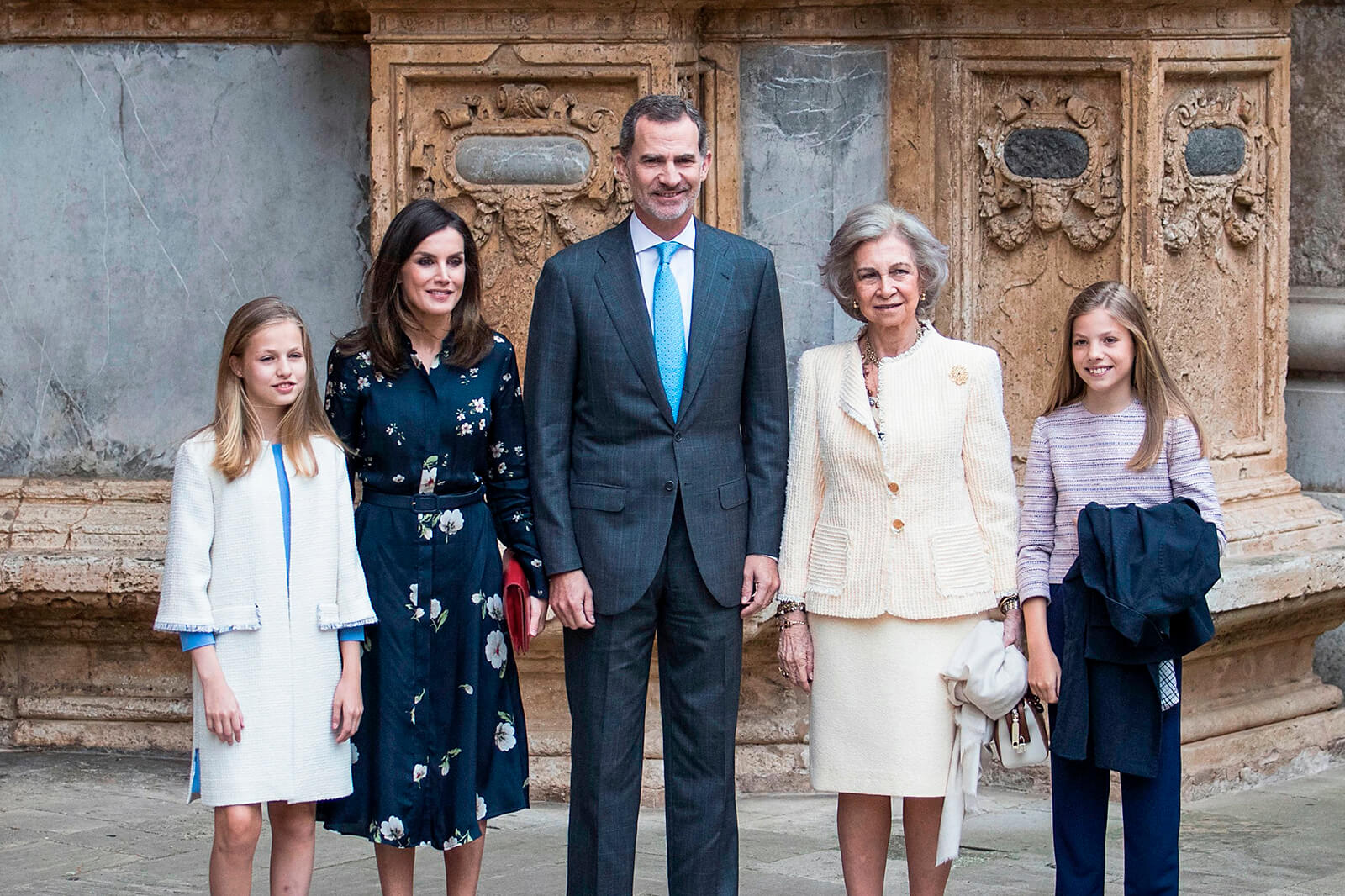
The Modern Spanish Royal Family: Monarchs of the Mediterranean

The modern Spanish Royal Family, a beacon of tradition and modernity, stands as a testament to the enduring legacy of monarchy in the heart of the Mediterranean. As the head of state for Spain, the royal family embodies the country’s rich history, cultural heritage, and its journey towards democracy and progress. This article delves into the lives, roles, and significance of the Spanish monarchs, highlighting their contributions to the nation and their place in the Mediterranean’s royal tapestry.

The Historical Context

The Spanish monarchy has its roots deep in the Iberian Peninsula’s history, with the Crown of Castile and the Crown of Aragon uniting under the Catholic Monarchs, Ferdinand II of Aragon and Isabella I of Castile, in the late 15th century. Over the centuries, the Spanish Empire expanded, becoming one of the most powerful monarchies in the world. However, the 20th century brought significant challenges, including the Spanish Civil War and the dictatorship of General Francisco Franco, which ended in 1975. It was then that Spain transitioned into a constitutional monarchy, with Juan Carlos I ascending to the throne.

The Reign of Juan Carlos I

King Juan Carlos I played a pivotal role in Spain’s transition to democracy. His reign, which lasted from 1975 until his abdication in 2014, was marked by significant political and social changes. Juan Carlos I navigated Spain through the delicate process of democratization, earning him widespread respect both domestically and internationally. His actions were instrumental in thwarting a coup attempt in 1981, solidifying his legacy as a king who stood for democracy and the rule of law.

The Modern Monarchy Under Felipe VI

Following the abdication of Juan Carlos I, his son, Felipe VI, ascended to the throne, marking a new chapter in the Spanish monarchy. King Felipe VI has continued his father’s legacy of modernizing the monarchy and making it more accessible to the Spanish people. His reign has been characterized by a commitment to transparency, accountability, and the promotion of democratic values.

Queen Letizia, a former journalist, has also played a significant role in the modernization of the royal family. Known for her charitable work and advocacy for social causes, Letizia has brought a new dimension to the role of the Spanish queen, making her one of the most respected and admired public figures in Spain.

The Role of the Spanish Royal Family in the 21st Century

In the 21st century, the Spanish Royal Family continues to play a crucial role in the nation’s public life. They serve as ambassadors for Spain on the international stage, promoting cultural and economic ties with other countries. Domestically, the royal family is involved in various charitable and educational initiatives, working to support the most vulnerable sectors of society.

The Spanish monarchy’s commitment to social causes and its efforts to remain relevant in a rapidly changing world have helped to maintain its popularity among the Spanish people. The royal family’s ability to adapt to the challenges of the modern age, while preserving the traditions and ceremonies that are the hallmark of monarchy, underscores their enduring relevance in Spain’s democratic framework.

Conclusion

The modern Spanish Royal Family, with its rich history and commitment to democracy and social progress, stands as a symbol of Spain’s journey from an authoritarian past to a vibrant, democratic present. As monarchs of the Mediterranean, they embody the region’s blend of tradition and modernity, serving as a bridge between Spain’s storied past and its promising future. The Spanish royal family’s dedication to their country and its people ensures that the monarchy remains a cherished institution in the heart of the Mediterranean.

DIY Recipes for Radiant, Chemical-Free Skin: Natural Skincare

In an era where the beauty industry is flooded with products containing harsh chemicals, more individuals are turning to natural skincare as a way to achieve radiant skin without the risk of harmful side effects. DIY (Do It Yourself) natural skincare recipes offer a simple, cost-effective, and eco-friendly alternative to commercial products. These homemade concoctions harness the power of nature to nourish, hydrate, and rejuvenate the skin, leaving it glowing and healthy. In this article, we will explore the benefits of natural skincare and share some easy DIY recipes for achieving chemical-free, radiant skin.

The Benefits of Natural Skincare

Natural skincare products are made from ingredients derived from plants, minerals, and other natural sources. They are free from synthetic chemicals, preservatives, and artificial fragrances that can irritate the skin and cause long-term damage. Here are some of the key benefits of using natural skincare:

  • Gentle on the Skin: Natural ingredients are less likely to cause irritation or allergic reactions, making them suitable for all skin types, including sensitive skin.
  • Nourishing: Many natural ingredients are rich in vitamins, antioxidants, and minerals that nourish the skin, promoting a healthy, youthful appearance.
  • Eco-Friendly: Natural skincare products are often packaged in eco-friendly materials and are biodegradable, reducing their impact on the environment.
  • Customizable: DIY skincare allows you to tailor your products to your specific skin needs and preferences.

DIY Recipes for Radiant Skin

Let’s dive into some simple, yet effective, DIY natural skincare recipes that you can easily make at home.

1. Honey and Lemon Face Mask
  • Ingredients: 1 tablespoon of raw honey, juice of half a lemon
  • Instructions: Mix the honey and lemon juice. Apply the mixture to your face, avoiding the eye area. Leave it on for 15-20 minutes, then rinse with warm water.
  • Benefits: Honey is a natural humectant that keeps the skin moist, while lemon juice is rich in vitamin C, which helps brighten the skin and reduce the appearance of dark spots.
2. Oatmeal and Yogurt Cleanser
  • Ingredients: 2 tablespoons of plain yogurt, 1 tablespoon of oatmeal
  • Instructions: Combine the yogurt and oatmeal to form a paste. Gently massage the mixture onto your face in circular motions, then rinse with lukewarm water.
  • Benefits: Yogurt contains lactic acid, which gently exfoliates the skin, while oatmeal soothes and moisturizes, making this cleanser perfect for sensitive or irritated skin.
3. Avocado and Coconut Oil Moisturizer
  • Ingredients: 1 ripe avocado, 2 tablespoons of coconut oil
  • Instructions: Mash the avocado and mix it with the coconut oil until smooth. Apply the mixture to your face and neck. Leave it on for 20 minutes before rinsing with warm water.
  • Benefits: Avocado is packed with healthy fats and vitamins that deeply moisturize the skin, while coconut oil provides a protective barrier to lock in hydration.
4. Green Tea Toner
  • Ingredients: 1 green tea bag, 1 cup of boiling water
  • Instructions: Steep the green tea bag in boiling water for 10 minutes. Allow the tea to cool, then transfer it to a spray bottle. Spritz the toner onto your face after cleansing.
  • Benefits: Green tea is rich in antioxidants that help protect the skin from environmental damage and reduce inflammation.

Conclusion

Natural skincare offers a safe, effective, and environmentally friendly way to achieve radiant, healthy skin. By incorporating DIY recipes into your skincare routine, you can enjoy the benefits of nature’s bounty without the worry of harsh chemicals. Remember, consistency is key when it comes to skincare, so try to incorporate these natural remedies into your daily routine for the best results. With a little creativity and the right ingredients, you can craft your own path to beautiful, chemical-free skin.

Creative Techniques for Enhanced Study Habits

In the quest for academic excellence, students often find themselves buried under a mountain of textbooks, notes, and online resources. While traditional study methods are undoubtedly effective, incorporating creative techniques can significantly enhance learning efficiency and retention. This article explores innovative strategies that go beyond conventional study habits, empowering learners to engage more deeply with their material and achieve better academic outcomes.

  1. Mind Mapping
    Mind mapping is a visual tool that represents concepts and ideas in a graphical form. It helps in organizing information, making connections between different topics, and enhancing memory recall. By creating a mind map, students can visually outline the main themes of their study material and branch out into subtopics, facilitating a more structured and comprehensive understanding of the subject matter.
  2. The Feynman Technique
    Named after the Nobel Prize-winning physicist Richard Feynman, this technique involves explaining complex concepts in simple terms. The process includes choosing a topic to study, attempting to explain it to someone else as if they were a novice, identifying gaps in your explanation, and simplifying your language until you can explain it clearly. This method not only reinforces understanding but also ensures that the student can communicate their knowledge effectively.
  3. Spaced Repetition
    Spaced repetition is a study technique that involves increasing intervals of time between subsequent review of previously learned material to exploit the psychological spacing effect. This method is particularly effective for memorization tasks, such as learning vocabulary or historical dates. By scheduling periodic reviews, students can optimize their study time and improve long-term retention.
  4. The Pomodoro Technique
    Developed by Francesco Cirillo in the late 1980s, the Pomodoro Technique is a time management method that uses a timer to break work into intervals, traditionally 25 minutes in length, separated by short breaks. This technique helps in maintaining focus and preventing burnout. By alternating short bursts of intense study with brief rest periods, students can maintain high levels of productivity and efficiency.
  5. Active Recall and Self-Testing
    Active recall involves actively retrieving information from memory without the help of external cues. This can be done through self-testing, where students quiz themselves on the material they have studied. This method is more effective than passive review because it forces the brain to retrieve information, strengthening neural pathways and improving recall.
  6. Interleaved Practice
    Interleaved practice is a learning technique where students mix up the practice of different skills or topics within a single study session. This contrasts with blocked practice, where students focus on one skill or topic at a time. Interleaving helps in developing the ability to distinguish between different types of problems and choose the correct strategy to solve them, which is particularly useful in subjects like mathematics and science.
  7. Teaching Others
    One of the most effective ways to learn is to teach. By explaining concepts to peers or even younger students, learners are forced to articulate their understanding clearly, identify gaps in their knowledge, and reinforce their memory of the material. This technique not only solidifies the learner’s grasp of the subject but also enhances their communication and teaching skills.
  8. Engaging with Multimedia Resources
    In the digital age, students have access to a plethora of multimedia resources, including videos, podcasts, and interactive simulations. Engaging with these resources can provide a fresh perspective on the study material and cater to different learning styles. For instance, visual learners might benefit from watching educational videos, while auditory learners might prefer listening to podcasts or audiobooks.
  9. Creating Study Groups
    Study groups provide a collaborative environment where students can discuss and debate the study material, ask questions, and teach each other. This social aspect of learning can make the study process more enjoyable and less daunting. Additionally, it allows students to gain insights from their peers and develop teamwork and communication skills.
  10. Incorporating Physical Activity
    Physical activity has been shown to enhance cognitive function and improve memory. Incorporating short exercise breaks into study sessions can help in maintaining alertness and concentration. Activities like walking, stretching, or even brief workouts can serve as effective brain breaks, refreshing the mind and body.

In conclusion, while traditional study habits are foundational to academic success, incorporating creative techniques can significantly enhance learning efficiency and enjoyment. By experimenting with these innovative strategies, students can discover what works best for them, leading to improved academic performance and a deeper, more lasting understanding of their study material.

Celebrities and Their Cosmetic Surgery Confessions

In the glittering world of celebrities, where appearances often reign supreme, the quest for physical perfection has led many down a path paved with scalpels and syringes. Cosmetic surgery, once a whispered secret, has become a more open topic of conversation among the famous. This article delves into the confessions of celebrities who have chosen to share their experiences with cosmetic procedures, shedding light on the motivations, outcomes, and the broader cultural implications of their decisions.

The Culture of Confession

In recent years, there has been a shift in the way celebrities discuss their personal lives, including their cosmetic surgery journeys. Social media has played a significant role in this transformation, providing a platform for stars to connect with their fans on a more intimate level. The culture of confession has not only humanized celebrities but also sparked important conversations about beauty standards, self-esteem, and the pressures of fame.

Notable Confessions

Several high-profile celebrities have been candid about their cosmetic surgery experiences. For instance, reality TV star Kylie Jenner has openly discussed her lip fillers, acknowledging the role they played in changing her public persona and self-confidence. Actor Jonathan Van Ness from “Queer Eye” has shared his journey with hair plugs and other procedures, emphasizing the impact of societal pressures on his decisions. Singer Charli XCX has been vocal about her breast augmentation, framing her choice as a form of self-expression and empowerment.

The Motivations Behind the Decisions

The motivations behind celebrities’ decisions to undergo cosmetic surgery are as varied as the individuals themselves. For some, it’s about correcting perceived flaws or aging signs to maintain their relevance in a youth-obsessed industry. Others see it as a way to boost self-esteem or align their physical appearance with their inner identity. The confessions of these celebrities often reveal deeper struggles with self-acceptance and the relentless pursuit of an unattainable ideal.

The Broader Impact

The openness of celebrities about their cosmetic surgery journeys has both positive and negative implications. On one hand, it can destigmatize cosmetic procedures, making them a more acceptable part of self-care and personal growth. It can also encourage discussions about the pressures of fame and the unrealistic beauty standards perpetuated by the entertainment industry.

On the other hand, there’s a concern that such confessions might normalize and even encourage cosmetic surgery among their fans, particularly young and impressionable individuals. The portrayal of these procedures as quick fixes for self-esteem issues can be misleading, ignoring the potential physical and emotional risks involved.

Conclusion

The plastic path walked by celebrities and their cosmetic surgery confessions offer a window into the complex relationship between fame, beauty, and self-image. While these confessions can be empowering and lead to important conversations, they also highlight the broader societal pressures that influence our perceptions of beauty and self-worth. As the discourse around cosmetic surgery continues to evolve, it’s crucial to approach these topics with sensitivity, understanding the multifaceted reasons behind each individual’s decision to alter their appearance.

Embracing Emotional Intelligence and Strength: Men in Balance

In a world that has traditionally celebrated masculinity through the lens of physical strength and emotional stoicism, a new narrative is emerging. This narrative champions a balanced approach to masculinity, one that embraces emotional intelligence as a core component of strength. Men in Balance is not just a movement; it’s a necessary evolution in how we perceive and practice masculinity. It’s about acknowledging that emotional intelligence and vulnerability are not weaknesses but rather pillars of strength and resilience.

The Shift in Perception

For decades, men have been socialized to believe that showing emotions is a sign of weakness. This belief has led to a culture where men often suppress their feelings, leading to increased rates of stress, anxiety, and depression. However, as society becomes more aware of mental health issues and the importance of emotional well-being, the conversation around masculinity is shifting.

Embracing Emotional Intelligence

Emotional intelligence, often referred to as EQ, is the ability to understand, use, and manage our own emotions in positive ways to relieve stress, communicate effectively, empathize with others, overcome challenges, and defuse conflict. It’s a critical skill set that, when embraced by men, can lead to more fulfilling personal and professional lives.

Men who are emotionally intelligent are better equipped to navigate the complexities of relationships, both personal and professional. They are more empathetic, better communicators, and more capable of managing stress and conflict. These skills are not just beneficial for the individual; they have a positive ripple effect on families, workplaces, and communities.

Strength in Vulnerability

One of the most significant shifts in the conversation around masculinity is the recognition that vulnerability is not a weakness but a strength. Vulnerability involves the courage to be imperfect, to be open about our fears and feelings, and to be honest about our limitations. It’s about being willing to initiate and respond to difficult conversations with grace and respect.

When men allow themselves to be vulnerable, they create a space for others to do the same. This openness fosters deeper connections, builds trust, and enhances collaboration. It’s a powerful tool for leadership and personal growth.

Practical Steps Towards Balance

Embracing emotional intelligence and vulnerability is a journey, and it starts with self-awareness. Here are some practical steps men can take to move towards balance:

  1. Acknowledge Your Emotions: Start by recognizing and accepting your emotions without judgment. This awareness is the first step towards managing them effectively.
  2. Practice Self-Care: Taking care of your physical, mental, and emotional health is crucial. This includes regular exercise, a healthy diet, mindfulness practices, and seeking professional help when needed.
  3. Communicate Openly: Work on your communication skills, especially when it comes to expressing your feelings and listening to others. Effective communication is key to healthy relationships.
  4. Seek Support: Don’t be afraid to reach out to friends, family, or professionals for support. Sharing your experiences and feelings can be incredibly liberating and healing.
  5. Educate Yourself: Read books, attend workshops, and seek out resources on emotional intelligence and masculinity. Knowledge is power, and understanding the nuances of these topics can be incredibly empowering.

Conclusion

Men in Balance is about redefining strength to include emotional intelligence and vulnerability. It’s a journey that requires courage, openness, and a willingness to challenge traditional norms. By embracing these qualities, men can lead more authentic, fulfilling lives and contribute positively to the world around them. It’s time to rewrite the narrative of masculinity, one conversation at a time

A Historical Odyssey: Iran’s Architectural Gems

Iran, a country with a rich tapestry of history and culture, is home to some of the world’s most remarkable architectural gems. These structures, ranging from ancient ruins to medieval mosques and from palatial complexes to garden pavilions, offer a glimpse into the country’s storied past and its significant contributions to the world of architecture. This article embarks on a historical odyssey through Iran’s architectural marvels, exploring the diversity and depth of its built heritage.

The Ancient Marvels

Iran’s architectural legacy begins in the ancient city of Persepolis, the ceremonial capital of the Achaemenid Empire (c. 550–330 BCE). Persepolis, with its monumental stairways, grand colonnades, and intricate reliefs, showcases the empire’s might and artistic sophistication. The use of massive stone platforms, known as terraces, and the integration of Apadana (audience hall) and treasury buildings, reflect a unique blend of functionality and grandeur.

Another ancient wonder is the city of Susa, which dates back to the Elamite period (c. 3200–539 BCE). Susa’s most notable feature is the Palace of Darius, with its remarkable glazed bricks depicting lions in combat, showcasing the early use of colorful tiles that would later become a hallmark of Persian architecture.

The Sassanian Era

The Sassanian period (224–651 CE) marked a significant evolution in Iranian architecture, with the construction of fire temples, palaces, and city complexes. The Taq-e Bostan, a group of Sassanian rock reliefs near Kermanshah, and the Palace of Ardashir in Firuzabad, with its innovative use of arch and vault, are prime examples of this era’s architectural achievements.

Islamic Architecture

The advent of Islam in the 7th century introduced new architectural forms and techniques, leading to the creation of some of Iran’s most iconic structures. The Seljuq dynasty (1037–1194) played a crucial role in developing Islamic architecture in Iran, with masterpieces such as the Friday Mosque of Isfahan, showcasing the evolution of the four-iwan plan and the use of intricate tilework and calligraphy.

The Safavid dynasty (1501–1722) further refined Iranian architecture, leaving behind a legacy of stunning mosques, palaces, and gardens. Isfahan, the Safavid capital, is a treasure trove of architectural gems, including the Naqsh-e Jahan Square (Imam Square), the Chehel Sotun Palace, and the Ali Qapu Palace. The city’s bridges, particularly the Si-o-se Pol and Khaju Bridge, are not only engineering marvels but also social spaces that reflect the Safavid era’s sophisticated urban planning.

The Qajar and Pahlavi Periods

The Qajar dynasty (1785–1925) and the Pahlavi dynasty (1925–1979) continued to build upon Iran’s architectural heritage, with a focus on royal palaces and public buildings that blended traditional Persian elements with European influences. The Golestan Palace in Tehran, with its beautiful mirror work and decorative tiles, and the Sa’dabad Complex, a collection of palaces and gardens, are prime examples of this period’s architectural style.

Conclusion

Iran’s architectural gems are not just physical structures; they are repositories of history, culture, and art. From the ancient ruins of Persepolis to the grand mosques of Isfahan, and from the royal palaces of the Qajars to the modernist buildings of the 20th century, Iran’s built environment tells a story of continuity and change, of tradition and innovation. These architectural marvels stand as a testament to the country’s enduring legacy and its significant contribution to the world’s architectural heritage.

The Psychology Behind Superstition: Fear and the Human Mind

Superstition is a belief in supernatural causality: that one event leads to the cause of another without any physical process linking the two events, such as astrology, omens, witchcraft, etc., that contradicts natural science. It is often bound up with magical thinking and is a component of ritual and tradition. The psychology behind superstition is complex and multifaceted, involving elements of fear, hope, and the human mind’s tendency to seek patterns and control in an unpredictable world.

Fear

One of the primary psychological drivers of superstition is fear. Humans have an innate fear of the unknown and the uncontrollable. Superstitions often arise as a way to manage these fears by providing a sense of predictability and control over outcomes that are, in reality, beyond one’s influence. For example, a person might knock on wood to prevent a negative outcome after making a boastful statement, or carry a lucky charm to ensure success in an important event. These actions are psychological mechanisms to cope with anxiety and uncertainty.

Hope

Superstitions are also fueled by hope. When faced with situations where outcomes are uncertain, such as job interviews, exams, or sporting events, individuals may turn to superstitious behaviors as a way to increase their perceived chances of success. This is because superstitions offer a psychological crutch, providing a sense of hope and optimism in situations where there is little one can do to directly influence the outcome. The belief in lucky charms, rituals, or omens can make individuals feel more confident and less anxious about the future.

The Human Mind’s Pattern Seeking and Need for Control

The human brain is wired to seek patterns and make sense of the world through cause-and-effect relationships. This cognitive bias, known as apophenia, leads people to see patterns or connections where none exist, especially in random sequences of events. When a person experiences a positive outcome following a certain action or ritual, they might attribute the success to their superstitious behavior, reinforcing the belief in its efficacy. This pattern recognition, combined with the human need for control, drives the persistence of superstitions.

Cognitive Dissonance and Confirmation Bias

Once a superstitious belief is established, cognitive dissonance and confirmation bias play significant roles in its maintenance. Cognitive dissonance is the discomfort experienced when holding two contradictory beliefs, and individuals often resolve this discomfort by rejecting information that contradicts their beliefs. Confirmation bias is the tendency to search for, interpret, favor, and recall information in a way that confirms one’s preexisting beliefs or hypotheses. Together, these cognitive biases lead individuals to remember instances where their superstitions “worked” and overlook or rationalize instances where they did not, further entrenching the superstitious belief.

Conclusion

Superstition is a fascinating aspect of human psychology that intertwines fear, hope, and the human mind’s natural tendencies to seek patterns and control. It reflects our deep-seated need to make sense of the world and to feel that we have some influence over our destinies, even in the face of overwhelming evidence to the contrary. Understanding the psychology behind superstition sheds light on the complexities of human thought and behavior, highlighting the intricate interplay between emotion, cognition, and belief.

Tale: The Quest for the Holy Grail

The Quest for the Holy Grail is one of the most enduring and fascinating legends in Western literature, deeply rooted in the Arthurian tradition. It tells the story of knights from King Arthur’s court who embark on a perilous journey in search of the Holy Grail, the cup from which Jesus drank at the Last Supper. This mythical quest has captivated the imaginations of people for centuries, symbolizing the pursuit of spiritual enlightenment, the quest for the divine, and the challenge of overcoming one’s inner demons.

The Origins of the Grail Legend:
The Holy Grail first appeared in written form in the early 12th century, in Chrétien de Troyes’ unfinished romance “Perceval, the Story of the Grail.” However, the legend’s origins are shrouded in mystery, with scholars debating whether it has roots in Christian mythology, Celtic folklore, or even the ancient world. The Grail has been variously depicted as a cup, a dish, a stone, or even a bleeding lance, reflecting its multifaceted nature and the different cultural influences that have shaped the legend.

The Knights of the Round Table:
In the Arthurian legends, the knights of the Round Table are the chosen ones who set out to find the Holy Grail. Among them, Sir Galahad, Sir Lancelot, and Sir Perceval are often portrayed as the most likely to succeed due to their purity, bravery, and spiritual strength. The quest is not just a physical journey but also a spiritual test, requiring the knights to confront their own flaws and sins, and to demonstrate unwavering faith and virtue.

Symbolism and Interpretation:
The Holy Grail has been interpreted in numerous ways over the years. To some, it represents the ultimate spiritual goal, the attainment of divine grace, or the quest for eternal life. Others see it as a symbol of the unattainable ideal, the pursuit of perfection, or the search for meaning in life. The Grail has also been linked to the concept of the philosopher’s stone in alchemy, symbolizing transformation and enlightenment.

The Quest in Literature and Beyond:
The Quest for the Holy Grail has inspired countless works of literature, art, and film. Writers such as Wolfram von Eschenbach, Sir Thomas Malory, and T.S. Eliot have all contributed their own interpretations of the Grail legend. The story has also been adapted into modern contexts, reflecting the ongoing relevance of the themes of quest, sacrifice, and redemption.

Conclusion:
The Quest for the Holy Grail remains a powerful metaphor for the human condition, embodying the eternal struggle to find meaning, purpose, and spiritual fulfillment. Whether seen as a literal quest for a sacred relic or a symbolic journey of self-discovery, the Grail legend continues to resonate with people around the world. It serves as a reminder that the most important quests are those that lead us to understand ourselves and to seek the divine within and beyond us. As long as humanity continues to search for answers to life’s deepest questions, the legend of the Holy Grail will endure, inspiring new generations of seekers to embark on their own personal quests.

Rahasia Sukses dalam Mengakses Akun Trisula88: Mulai dari Login hingga Bermain

Mengakses akun Trisula88 Login dengan benar adalah langkah awal yang penting untuk memastikan pengalaman bermain yang lancar dan sukses. Berikut adalah panduan singkat dan jelas untuk membantu Anda mulai dari login hingga bermain dengan efektif.

Pertama, buka browser dan kunjungi situs resmi Trisula88. Pastikan Anda mengakses situs yang benar untuk menghindari situs palsu. Anda dapat mengetik URL langsung atau menggunakan link yang terpercaya.

Setelah berada di halaman utama, cari tombol “Login” atau “Masuk” di pojok kanan atas. Klik tombol tersebut untuk membuka halaman login. Masukkan username dan password yang telah Anda buat saat mendaftar. Pastikan informasi yang Anda masukkan benar dan perhatikan penggunaan huruf besar dan kecil pada password.

Jika Anda lupa password, klik opsi “Lupa Password” atau “Forgot Password”. Anda akan diminta untuk memasukkan alamat email atau username yang terdaftar. Ikuti instruksi yang dikirimkan ke email Anda untuk mereset password.

Setelah berhasil login, Anda akan diarahkan ke dashboard akun Anda. Di sini, Anda bisa melihat saldo, melakukan deposit, menarik dana, dan memilih permainan yang ingin Anda mainkan. Pastikan saldo Anda mencukupi untuk bermain dan manfaatkan bonus serta promosi yang tersedia untuk meningkatkan peluang menang.

Untuk menjaga keamanan akun Anda, selalu logout setelah selesai bermain, terutama jika menggunakan perangkat umum. Gunakan password yang kuat dan unik, dan pertimbangkan untuk mengaktifkan verifikasi dua langkah (2FA) jika tersedia.

Saat bermain, pilih permainan yang Anda kuasai dan pahami aturannya. Manfaatkan mode demo untuk berlatih sebelum bermain dengan uang sungguhan. Kelola bankroll Anda dengan bijak dan tetapkan batas anggaran bermain.

Dengan mengikuti langkah-langkah ini, Anda dapat mengakses akun Trisula88 dengan mudah dan fokus pada strategi permainan untuk meningkatkan peluang kemenangan. Selamat bermain dan semoga sukses!

Kenali Lebih Dekat Fitur-Fitur Unggulan yang Tersedia di Trisula88 Login

Trisula88 adalah platform judi online yang menawarkan berbagai fitur unggulan untuk meningkatkan pengalaman bermain para pemainnya. Berikut adalah beberapa fitur utama yang membuat Link Alternatif Trisula88 menjadi pilihan favorit bagi banyak pemain judi online.

Pertama, antarmuka yang ramah pengguna. Trisula88 memiliki desain situs yang modern dan intuitif, memudahkan pemain dari berbagai tingkat keahlian untuk menavigasi dan menemukan permainan favorit mereka dengan cepat. Pengalaman pengguna yang lancar ini memastikan bahwa pemain dapat fokus pada permainan tanpa hambatan teknis.

Kedua, keamanan yang terjamin. Trisula88 menggunakan teknologi enkripsi canggih untuk melindungi data pribadi dan transaksi keuangan pemain. Dengan sistem keamanan yang kuat, pemain dapat merasa tenang dan fokus pada permainan, tanpa khawatir tentang keamanan informasi mereka.

Ketiga, beragam pilihan permainan. Trisula88 menawarkan berbagai macam permainan judi online, mulai dari slot, poker, blackjack, hingga taruhan olahraga. Keberagaman ini memastikan bahwa setiap pemain dapat menemukan permainan yang sesuai dengan minat dan keahliannya.

Keempat, bonus dan promosi yang menarik. Trisula88 dikenal dengan bonus selamat datang, bonus deposit, cashback, dan berbagai promosi lainnya yang dirancang untuk memberikan nilai tambah bagi pemain. Bonus ini tidak hanya meningkatkan saldo akun, tetapi juga memperpanjang waktu bermain dan peluang menang.

Kelima, layanan pelanggan yang responsif. Trisula88 menyediakan layanan dukungan pelanggan 24/7 melalui live chat, email, dan telepon. Tim dukungan yang profesional dan cepat tanggap siap membantu pemain dengan segala pertanyaan atau masalah yang mungkin dihadapi selama bermain.

Keenam, metode pembayaran yang fleksibel. Trisula88 mendukung berbagai metode pembayaran yang aman dan mudah, termasuk transfer bank, e-wallet, dan kartu kredit. Fleksibilitas ini memudahkan pemain untuk melakukan deposit dan penarikan dana sesuai dengan preferensi mereka.

Ketujuh, aksesibilitas tinggi. Trisula88 dapat diakses melalui berbagai perangkat, termasuk komputer desktop, laptop, dan perangkat mobile. Akses yang fleksibel ini memungkinkan pemain untuk menikmati permainan favorit mereka kapan saja dan di mana saja.

Kedelapan, turnamen dan kompetisi. Trisula88 sering mengadakan turnamen dan kompetisi dengan hadiah menarik. Partisipasi dalam turnamen ini tidak hanya menambah keseruan bermain, tetapi juga memberikan kesempatan untuk memenangkan hadiah besar.

Dengan berbagai fitur unggulan ini, Trisula88 menawarkan pengalaman bermain yang lengkap dan memuaskan bagi para pemain judi online. Akses yang mudah, keamanan yang terjamin, beragam permainan, bonus yang menarik, layanan pelanggan yang responsif, metode pembayaran yang fleksibel, aksesibilitas yang tinggi, serta turnamen dan kompetisi menjadikan Trisula88 platform yang layak dicoba. Selamat bermain dan semoga sukses!

Innovations in Renewable Energy: Solar, Beyond, and Wind

unitedfnafans.org – Renewable energy sources have become pivotal in the global effort to reduce carbon emissions and combat climate change. Innovations in this sector are continually evolving, making renewable energy more efficient, affordable, and accessible. This article explores the latest advancements in solar and wind energy, as well as emerging technologies that are poised to revolutionize the renewable energy landscape.

Solar Energy Innovations

1. Perovskite Solar Cells

Perovskite solar cells have emerged as a game-changer in the solar industry. These cells use a new type of material that can be manufactured at a lower cost compared to traditional silicon-based cells. Perovskite cells also offer higher efficiency rates and can be produced using simpler, less energy-intensive processes. Researchers are striving to improve their stability and longevity to make them commercially viable.

2. Bifacial Solar Panels

Bifacial solar panels capture sunlight on both sides, significantly increasing energy output. These panels can be installed on various surfaces, including rooftops and ground-mounted systems, and are particularly effective in locations with high albedo, such as snowy or sandy areas. The ability to harness reflected sunlight boosts their overall efficiency.

3. Solar Skin Design

Solar skin design technology allows solar panels to blend seamlessly with the aesthetics of a building. This innovation uses customizable graphics to make solar panels look like traditional roofing materials. It enhances the visual appeal of solar installations, encouraging more homeowners and businesses to adopt solar energy without compromising on design.

Wind Energy Innovations

1. Floating Wind Turbines

Floating wind turbines represent a significant advancement in harnessing wind power from deep-sea locations. Unlike traditional fixed-bottom turbines, floating turbines can be anchored in waters deeper than 60 meters. This technology opens up vast new areas for wind energy production, particularly in regions where coastal waters are deep.

2. Vertical Axis Wind Turbines (VAWTs)

Vertical axis wind turbines (VAWTs) are gaining attention due to their unique design, which allows them to capture wind from any direction. This makes them suitable for urban environments where wind patterns are unpredictable. VAWTs are also quieter and require less maintenance compared to traditional horizontal axis wind turbines.

3. Wind Turbine Blade Recycling

Wind turbine blades are typically made from composite materials that are difficult to recycle. However, new methods are being developed to address this issue. Researchers are exploring chemical recycling processes that break down the blades into reusable raw materials. This innovation reduces waste and enhances the sustainability of wind energy production.

Beyond Solar and Wind: Emerging Technologies

1. Hydrogen Fuel Cells

Hydrogen fuel cells are becoming a promising alternative for energy storage and transportation. These cells produce electricity by combining hydrogen and oxygen, with water being the only byproduct. Innovations in hydrogen production, storage, and distribution are making this technology more viable. Green hydrogen, produced using renewable energy sources, is particularly notable for its potential to decarbonize various industries.

2. Ocean Energy

Ocean energy, including tidal and wave power, is an emerging field with vast potential. Tidal energy harnesses the gravitational forces between the earth and the moon, while wave energy captures the kinetic energy of ocean waves. Advances in turbine design and energy conversion technologies are increasing the efficiency and reliability of ocean energy systems.

3. Bioenergy

Bioenergy involves converting organic materials, such as agricultural waste and algae, into energy. Innovations in bioenergy are focusing on improving the efficiency of biofuel production and developing new methods to utilize a wider range of biomass sources. Advanced biofuels, such as cellulosic ethanol and algae-based fuels, offer cleaner alternatives to fossil fuels.

Conclusion

The renewable energy sector is witnessing rapid advancements that are transforming how we generate and use energy. Innovations in solar and wind technologies are enhancing efficiency and reducing costs, while emerging technologies like hydrogen fuel cells, ocean energy, and bioenergy are opening new frontiers. These developments are crucial for achieving a sustainable and carbon-neutral future, demonstrating that the possibilities for renewable energy are boundless. As research and development continue, the world can look forward to a more resilient and environmentally friendly energy landscape.

Link Casino Online: Pintu Menuju Dunia Hiburan Tanpa Batas

Di era digital yang penuh dengan kemudahan, link casino online muncul sebagai jembatan menuju dunia hiburan yang tak terbatas. Ini bukan hanya sebuah alamat website, melainkan portal menuju berbagai macam permainan casino yang menarik, mulai dari roulette, blackjack, hingga slot online yang seru. Dengan link casino online, para pemain dapat mengakses permainan favorit mereka dengan mudah, kapan saja dan di mana saja.

Keamanan dan kenyamanan para pemain selalu menjadi prioritas utama dalam link casino online. Dengan teknologi enkripsi terkini, platform ini menjamin bahwa semua transaksi dan data pribadi pemain akan terjaga dengan aman. Hal ini membangun rasa percaya diri dan kepuasan di kalangan pemain, sehingga mereka dapat menikmati permainan tanpa kekhawatiran. Selain itu, layanan pelanggan yang responsif juga siap membantu pemain dengan segala pertanyaan atau masalah yang muncul selama sesi berjudi.

Tidak hanya sebuah platform judi, link casino online juga membangun komunitas yang inklusif dan ramah. Di sini, setiap pemain dihargai dan didorong untuk bersaing dalam suasana yang sportif dan menyenangkan. Dengan berbagai bonus dan promosi menarik, link casino online tidak hanya meningkatkan kesempatan untuk meraih kemenangan, tetapi juga menambah kesenangan dalam setiap sesi berjudi. Hal ini menjadikan link casino online sebagai pilihan utama bagi mereka yang mencari hiburan dan tantangan di dunia maya.