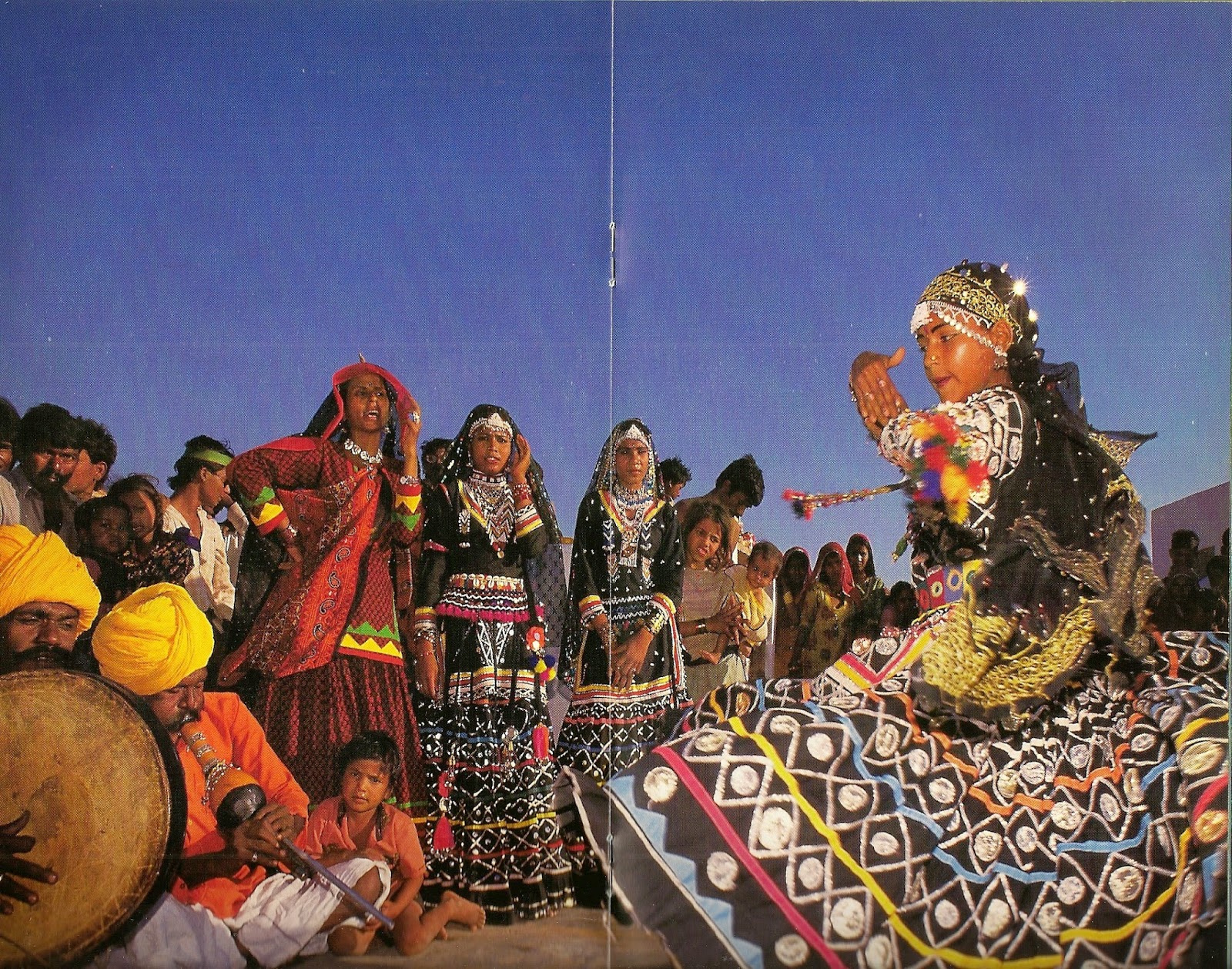
unitedfnafans.org – Gypsy music, also known as Romani music, is a vibrant and essential part of Romania’s cultural tapestry. This genre, characterized by its lively rhythms, soulful melodies, and passionate improvisations, has transcended its traditional roots to become a global phenomenon. The Gypsy musicians of Romania, with their unique blend of Eastern European, Balkan, and Middle Eastern influences, have captivated audiences worldwide, showcasing the rich musical heritage of the Romani people.
The Origins and Evolution of Gypsy Music
The origins of Gypsy music in Romania can be traced back to the migration of the Romani people from the Indian subcontinent to Europe, a journey that began in the 11th century. Over the centuries, the Romani assimilated various musical traditions from the regions they traversed, blending them with their own folk music to create a distinctive sound. In Romania, Gypsy musicians absorbed elements from Romanian folk music, as well as influences from neighboring countries, resulting in a rich and diverse musical landscape.
The evolution of Gypsy music in Romania is also closely tied to the social and economic conditions of the Romani people. Historically marginalized and often relegated to the fringes of society, music became a means of expression and a source of income for many Romani families. This led to the emergence of a highly skilled and versatile group of musicians who could adapt to various musical styles and settings, from weddings and festivals to nightclubs and international stages.
The Instruments and Characteristics of Gypsy Music
Gypsy music in Romania is characterized by its use of specific instruments, such as the violin, accordion, clarinet, and tambura, which are played with a distinctive virtuosity and emotional depth. The music is often improvisational, with musicians engaging in lively exchanges that showcase their technical prowess and emotional expressiveness. The rhythm section, typically consisting of a double bass and a drum, provides a solid foundation for the melodic instruments to soar.
One of the most striking features of Gypsy music is its emotional intensity. The musicians pour their hearts into their performances, conveying a range of emotions from joy and exuberance to melancholy and longing. This emotional depth, combined with the technical skill and improvisational flair, makes Gypsy music a powerful and moving experience for both performers and listeners.
The Global Impact of Romanian Gypsy Music
In recent decades, Romanian Gypsy music has gained international recognition, thanks in part to the efforts of musicians like the Taraf de Haïdouks, whose album “Musique des Tsiganes de Roumanie” became a global hit in the 1990s. The music has been featured in films, documentaries, and international festivals, introducing audiences around the world to the rich cultural heritage of the Romani people.
The global popularity of Romanian Gypsy music has also led to collaborations with artists from various genres, including jazz, classical, and world music. These collaborations have further enriched the musical landscape, creating new sounds that blend traditional Gypsy music with contemporary influences.
Preserving the Tradition
Despite its global success, Gypsy music in Romania faces challenges, including the ongoing discrimination and marginalization of the Romani people. Efforts to preserve and promote the music include festivals, workshops, and educational programs that aim to foster a new generation of musicians and ensure the survival of this unique cultural heritage.
The Gypsy music of Romania is more than just a form of entertainment; it is a testament to the resilience and creativity of the Romani people. Through their music, the Romani have found a voice that transcends borders and touches the hearts of people around the world. As the tradition continues to evolve, it remains a powerful symbol of cultural identity and a bridge between different communities and cultures.
