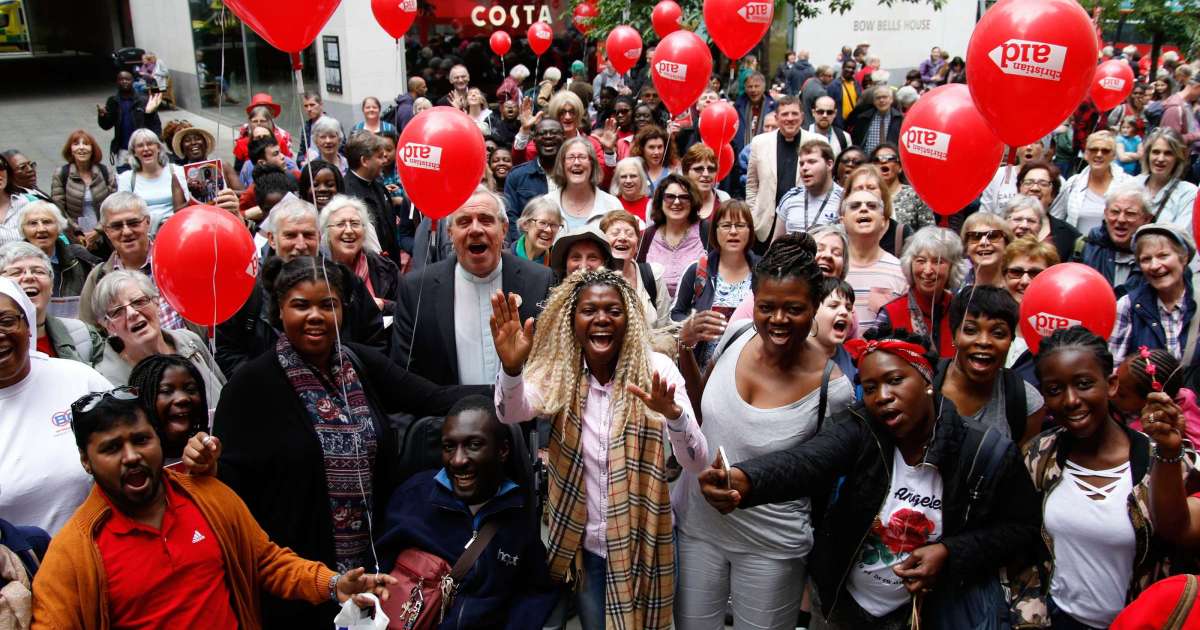
The Role of Faith-Based Organizations in Global Charities

unitedfnafans.org – Faith-based organizations (FBOs) have been integral to the fabric of global charity work for centuries, providing essential services, support, and relief to communities in need across the world. Their contributions span various sectors, including education, healthcare, disaster relief, and poverty alleviation. This article explores the multifaceted role of faith-based organizations in global charity work, highlighting their unique strengths, challenges, and the impact they have on the lives of millions.

Historical Context and Evolution

The involvement of faith-based organizations in charity work is deeply rooted in the teachings and values of various religious traditions. From the early Christian church’s care for the poor and sick to the Islamic tradition of Zakat, religious communities have historically been at the forefront of charitable activities. Over time, these efforts have evolved into more structured and global initiatives, with FBOs playing a significant role in international development and humanitarian aid.

Unique Strengths of Faith-Based Organizations

1. Community Trust and Engagement

One of the key strengths of faith-based organizations is their deep connection with local communities. This trust and familiarity enable FBOs to identify needs accurately and deliver aid more effectively. Their embeddedness within communities also facilitates long-term development projects, as they are often committed to the welfare of these communities over the long haul.

2. Moral and Ethical Framework

Faith-based organizations operate within a clear moral and ethical framework derived from their religious teachings. This framework not only guides their actions but also inspires volunteers and donors, providing a strong motivation for charitable giving and service.

3. Global Network and Resources

Many FBOs have extensive global networks, allowing them to mobilize resources and volunteers quickly in response to emergencies. This international reach is crucial in disaster relief efforts, where coordination and speed are essential.

Challenges Faced by Faith-Based Organizations

Despite their significant contributions, faith-based organizations face several challenges in their global charity work. These include navigating cultural and religious differences, ensuring aid is distributed without proselytizing, and maintaining transparency and accountability in their operations. Additionally, political and social tensions can sometimes hinder their work, requiring careful diplomacy and sensitivity.

Impact and Future Directions

The impact of faith-based organizations in global charity work is undeniable. They have saved lives, provided critical support in times of crisis, and contributed to sustainable development in some of the world’s most vulnerable regions. Looking ahead, the role of FBOs is likely to evolve further, with an increased focus on collaboration with secular organizations, innovation in service delivery, and addressing emerging global challenges such as climate change and pandemics.

Conclusion

Faith-based organizations play a vital and irreplaceable role in global charity work. Their unique strengths, including community trust, moral frameworks, and global networks, enable them to make significant contributions to humanitarian and development efforts worldwide. While they face challenges, their adaptability and commitment to serving humanity underscore the enduring value of faith-based organizations in the global landscape of charity and aid. As the world continues to grapple with complex social, economic, and environmental issues, the role of faith-based organizations in addressing these challenges will remain as important as ever.

The 2000s Phenomenon: Streetwear Goes Global

unitedfnafans.org – The 2000s marked a significant turning point in the fashion industry, witnessing the meteoric rise of streetwear from niche subculture to a global phenomenon. This transformation was not just a shift in fashion trends but a cultural movement that transcended borders, influencing music, art, and lifestyle. The story of streetwear’s global ascent is a tale of innovation, collaboration, and the power of youth culture.

Origins and Evolution

Streetwear’s roots can be traced back to the 1980s in New York and Los Angeles, where it emerged as a fusion of skate, surf, and hip-hop cultures. Brands like Stüssy and Supreme laid the groundwork, creating a foundation that would later be built upon by a new wave of designers and entrepreneurs.

The 2000s saw the evolution of streetwear into a more sophisticated and diverse movement. Brands from Japan, such as Bape and Comme des Garçons, began to make waves internationally, blending street culture with high fashion. This period was characterized by a growing interest in limited edition drops, collaborations, and a DIY aesthetic that resonated with a global audience.

The Global Takeover

As the decade progressed, streetwear’s influence spread like wildfire, reaching every corner of the globe. Europe, particularly London and Paris, became hotbeds for streetwear culture, with local brands like Palace and Pigalle gaining international acclaim. Asia, too, played a pivotal role, with cities like Tokyo and Seoul leading the charge in streetwear innovation.

The internet played a crucial role in streetwear’s global expansion. Social media platforms and online forums allowed enthusiasts to connect, share, and discover new brands and trends. This digital connectivity broke down geographical barriers, making it easier for streetwear to cross borders and cultures.

Collaborations and High-End Fusions

One of the defining characteristics of the 2000s streetwear movement was the rise of collaborations. Brands began to partner with artists, musicians, and even high-end fashion houses, creating limited edition collections that blurred the lines between street and luxury. These collaborations not only drove consumer excitement but also signaled the mainstream acceptance of streetwear as a legitimate fashion genre.

The fusion of streetwear with high fashion was a game-changer. Designers like Virgil Abloh and Kanye West bridged the gap between the street and the runway, leading to groundbreaking collaborations with brands like Louis Vuitton and Adidas. These partnerships not only elevated streetwear’s status but also introduced a new level of creativity and innovation to the fashion industry.

The Impact of Streetwear

The global phenomenon of streetwear in the 2000s had a profound impact on the fashion industry and beyond. It democratized fashion, making it more accessible and relevant to a wider audience. Streetwear became a platform for self-expression and cultural commentary, reflecting the changing social and political landscape.

Moreover, the success of streetwear brands demonstrated the power of community and authenticity in brand building. By staying true to their roots and engaging directly with their audience, these brands were able to create a loyal following that transcended traditional marketing strategies.

Conclusion

The 2000s were a transformative period for streetwear, witnessing its evolution from a niche subculture to a global phenomenon. This movement was not just about fashion; it was a cultural revolution that redefined the boundaries of style, creativity, and consumer engagement. As we look to the future, the legacy of the 2000s streetwear movement continues to influence and inspire, proving that when culture and commerce align, the possibilities are endless.