A Comprehensive Guide: Costco Wholesale Shopping

unitedfnafans.org – Costco Wholesale is a membership-only warehouse club that has gained immense popularity for its bulk buying options and competitive prices. With a focus on high-quality goods ranging from groceries to electronics, Costco offers a unique shopping experience that appeals to both individual consumers and small businesses. In this article, we’ll explore the ins and outs of Costco Wholesale shopping, including its membership benefits, shopping tips, and the types of products available.

Understanding Costco Membership

Before you can start shopping at Costco, you’ll need to purchase a membership. Costco offers several types of memberships, including the standard Gold Star membership for individuals and the Business membership for small businesses. Additionally, there are upgraded memberships like the Gold Star Executive and Business Executive, which offer higher cashback rewards on purchases.

Navigating the Warehouse

Costco warehouses are known for their vast size and wide aisles, which can be overwhelming for first-time shoppers. Here are some tips to help you navigate the warehouse efficiently:

  • Plan Your Shopping List: Know what you need before you go to avoid impulse buys.
  • Use the Costco App: The app provides a map of the warehouse, weekly deals, and the ability to check inventory.
  • Shop During Off-Peak Hours: Early mornings or weekdays are less crowded.
  • Bring a Friend: If you’re shopping alone, bringing a friend can help you manage large items and make decisions faster.

The Costco Product Range

Costco is renowned for its variety of products, which include:

  • Groceries: From fresh produce to organic foods and household staples, Costco offers a wide range of grocery items in bulk.
  • Electronics: Televisions, computers, and home appliances are popular electronics purchases at Costco.
  • Furniture and Home Decor: Costco sells everything from mattresses to outdoor furniture at competitive prices.
  • Clothing and Accessories: You can find brand-name clothing and accessories for the whole family.
  • Health and Beauty: Costco offers a selection of health supplements, beauty products, and personal care items.

Costco’s Kirkland Signature Brand

One of the most compelling reasons to shop at Costco is its private label brand, Kirkland Signature. This brand is known for its high quality and low prices, often rivaling or surpassing national brands. Products under the Kirkland Signature label range from food items to vitamins and even gasoline.

Special Services and Perks

Costco members have access to several special services and perks, such as:

  • Optical Centers: Offering eye exams and a wide selection of eyewear.
  • Pharmacies: Providing prescription medications and health advice.
  • Food Courts: Serving affordable and delicious meals.
  • Travel Services: Offering discounted travel packages and car rentals.

Tips for Saving Money at Costco

To maximize your savings at Costco, consider the following tips:

  • Buy in Bulk Wisely: Only buy bulk items that you know you’ll use before they expire.
  • Look for Instant Savings: These are additional discounts on certain items throughout the warehouse.
  • Use Costco Coupons: Check the monthly coupon book for extra savings.
  • Consider the Executive Membership: If you spend enough, the 2% cashback reward can offset the membership fee and save you money.

Conclusion

Costco Wholesale offers a unique shopping experience that combines bulk buying with quality products and competitive prices. Whether you’re a small business owner or an individual consumer, a Costco membership can provide significant savings and convenience. By understanding the membership options, navigating the warehouse effectively, and taking advantage of special services and savings tips, you can make the most out of your Costco shopping experience.
Evolution and the Battle for Foot Traffic: Shopping Malls

unitedfnafans.org – The concept of shopping malls has evolved significantly since their inception, reflecting broader changes in consumer behavior, technology, and the economy. Once the bustling centers of community life and commerce, malls now face stiff competition from online shopping and must adapt to maintain their relevance. This article explores the evolution of shopping malls and the strategies they employ to attract and retain foot traffic in an increasingly digital world.

The Golden Age of Shopping Malls

The first enclosed shopping mall in the United States, Southdale Center in Edina, Minnesota, opened in 1956. It revolutionized the shopping experience by offering a climate-controlled environment with a variety of stores, services, and entertainment options all under one roof. Malls quickly became the epicenters of suburban life, providing not only shopping but also social spaces where people could meet, eat, and enjoy leisure activities.

During the 1980s and 1990s, malls reached their zenith. They were not just places to shop but also cultural icons, celebrated in movies, music, and television. The variety of stores, from high-end boutiques to mass-market chains, catered to a wide range of tastes and budgets. Malls were also community hubs, hosting events, concerts, and even serving as backdrops for holiday celebrations.

The Digital Disruption

The rise of the internet and e-commerce platforms in the late 1990s and early 2000s began to erode the dominance of shopping malls. Online shopping offered convenience, a vast selection of products, and often, lower prices. As broadband internet became more accessible and smartphones made online shopping possible anywhere, the appeal of brick-and-mortar stores diminished for many consumers.

The impact of digital disruption was compounded by the 2008 financial crisis, which reduced consumer spending and led to the closure of many retail chains. These factors combined to create a perfect storm for shopping malls, leading to a decline in foot traffic and store vacancies.

Evolution and Adaptation

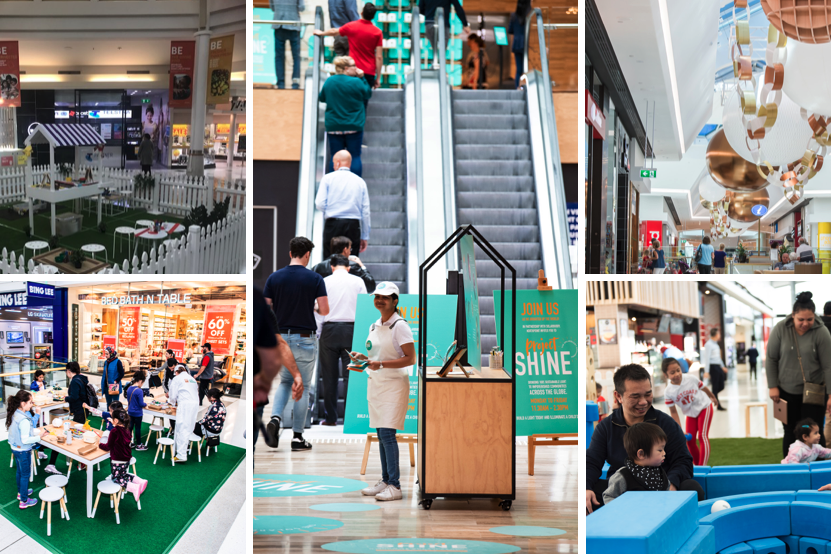
In response to these challenges, shopping malls have embarked on a journey of evolution and adaptation. They have recognized the need to transform from mere shopping destinations into experiential centers that offer unique and engaging experiences.

Diversification of Offerings

Malls have diversified their offerings beyond traditional retail, incorporating entertainment venues such as movie theaters, bowling alleys, and arcades. Some have introduced fitness centers, cooking schools, and art galleries to cater to a broader range of interests and activities.

Focus on Food

The food and beverage sector has become a focal point for malls. Food courts have been revamped to offer a more diverse selection of dining options, including local and artisanal vendors. Upscale restaurants and gourmet food halls have also been introduced to attract foodies and create a dining destination.

Technology Integration

Technology plays a crucial role in the evolution of shopping malls. Interactive digital directories, free Wi-Fi, and mobile apps that offer personalized shopping experiences are becoming standard. Some malls are experimenting with virtual reality and augmented reality to create immersive experiences for shoppers.

Community Engagement

Malls are redefining their role in the community by hosting events, workshops, and pop-up stores that foster a sense of belonging and encourage social interaction. These initiatives aim to position malls as gathering places that offer more than just shopping.

The Battle for Foot Traffic

Despite these efforts, the battle for foot traffic remains fierce. Malls are competing not only with each other but also with online retailers, outlet centers, and lifestyle centers that offer a more curated shopping experience. The key to success lies in understanding and adapting to the changing preferences of consumers, who now seek convenience, personalization, and experiences over mere transactions.

In conclusion, shopping malls are at a crossroads, facing the challenge of reinventing themselves in a digital age. By focusing on experiences, community engagement, and integrating technology, malls can continue to be vibrant centers of commerce and community life. The evolution of shopping malls is far from over, and the next chapter promises to be as exciting as the first.