
A Legacy of Fire and Blood: The Last Targaryen

unitedfnafans.org – The Targaryen dynasty, once the undisputed rulers of the Seven Kingdoms, has a history as tumultuous as the dragons they once commanded. Known for their silver-gold hair and violet eyes, the Targaryens were both revered and feared. Their reign, marked by periods of prosperity and peace, was also stained by madness and war. The last Targaryen, in many ways, embodies the complex legacy of their lineage.

The Last Scion: A Blend of Power and Vulnerability

The last Targaryen, often depicted as a character of great complexity, is a figure who carries the weight of their family’s history on their shoulders. They are a blend of power and vulnerability, heir to a dynasty that has been decimated by time and conflict. This individual’s journey is one of self-discovery, as they navigate the treacherous waters of politics, power struggles, and the ever-present threat of extinction for their lineage.

The Dragon’s Legacy: Fire and Blood

The Targaryens were famously associated with dragons, creatures that were both symbols of their power and instruments of their dominion. The last Targaryen’s connection to these mythical beasts is a poignant reminder of the family’s former glory. Whether through literal dragons or the metaphorical fire and blood that define their heritage, the legacy of the Targaryens is one that is hard to escape.

A Future Uncertain: The Last Targaryen’s Quest

The story of the last Targaryen is not just one of loss and legacy but also of hope and resilience. As they seek to carve out a future in a world that is often hostile to their very existence, their journey becomes a testament to the enduring spirit of their line. The question of what the future holds for the last Targaryen is one that captivates the imagination, leaving audiences to ponder the possibilities of a dynasty reborn from the ashes.

Conclusion: The Last Targaryen’s Enduring Legacy

The tale of the last Targaryen is a narrative that resonates with themes of identity, power, and the cyclical nature of history. As the last scion of a once-great dynasty, they stand as a symbol of the enduring legacy of the Targaryen name. Whether their story ends in triumph or tragedy, the impact of the last Targaryen on the Seven Kingdoms and its inhabitants is undeniable, leaving a mark that will be felt for generations to come.
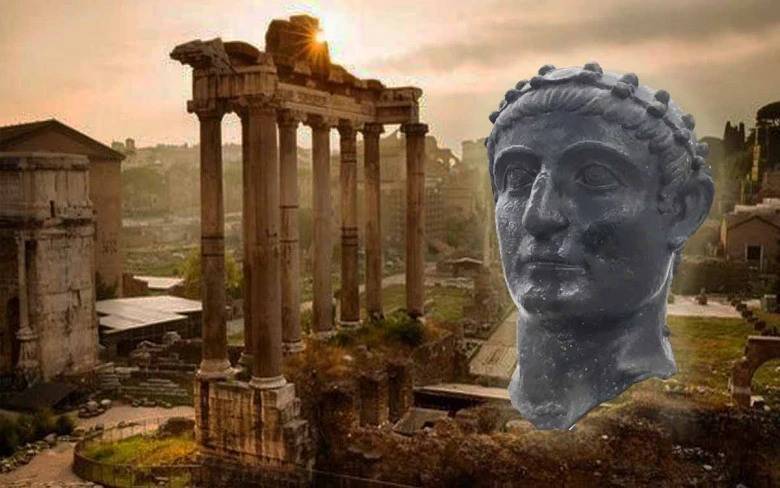
A Historical Tapestry: The Legacy of the Roman Empire in Serbia

unitedfnafans.org – The Roman era in Serbia is a testament to the profound impact of one of the world’s most formidable empires. Spanning over 800 years, the Roman influence in what is now Serbia was both extensive and enduring, shaping the region’s cultural, political, and architectural landscape.

Roman Conquest and Administration

The Roman Republic first conquered the region of Illyria, which included parts of modern-day Serbia, in 168 BC following the Illyrian Wars. This region, known as Illyro-Roman, was later integrated into the Roman Empire as part of the provinces of Moesia, Pannonia, and parts of Dalmatia, Dacia, and Macedonia. The strategic importance of these territories was evident in their role as vital links in the Roman road network and military defense systems.

Urban Development and Architecture

One of the most significant legacies of the Roman era in Serbia is the development of urban centers. Sirmium (present-day Sremska Mitrovica) was among the top four cities of the late Roman Empire and even served as its capital during the Tetrarchy. The city, along with other Roman settlements, featured advanced infrastructure, including roads, aqueducts, and public baths, which were essential for the functioning of urban life.

Cultural and Religious Influence

The Roman period also saw a significant cultural and religious transformation in Serbia. The introduction of Roman customs, language, and religion (primarily Christianity) had a lasting impact on the local population. This cultural assimilation was facilitated by the establishment of Roman law and administrative practices, which were adopted by the local elite and eventually became the norm.

Archaeological Remains

The richness of Serbia’s Roman heritage is evident in the numerous archaeological sites scattered across the country. The Institute of Archaeology in Serbia, under the direction of Miomir Korac, has mapped out a route that highlights key Roman sites, including fortifications, temples, and public buildings. These sites not only serve as physical reminders of the Roman presence but also as valuable resources for historical research and education.

Conclusion

The Roman era in Serbia was a period of significant transformation, marked by the introduction of new technologies, cultural practices, and political systems. The legacy of this period is still evident today, influencing everything from the local language and religion to the architectural style of the region. As Serbia continues to explore and preserve its Roman heritage, it honors the enduring legacy of one of the world’s most influential empires.