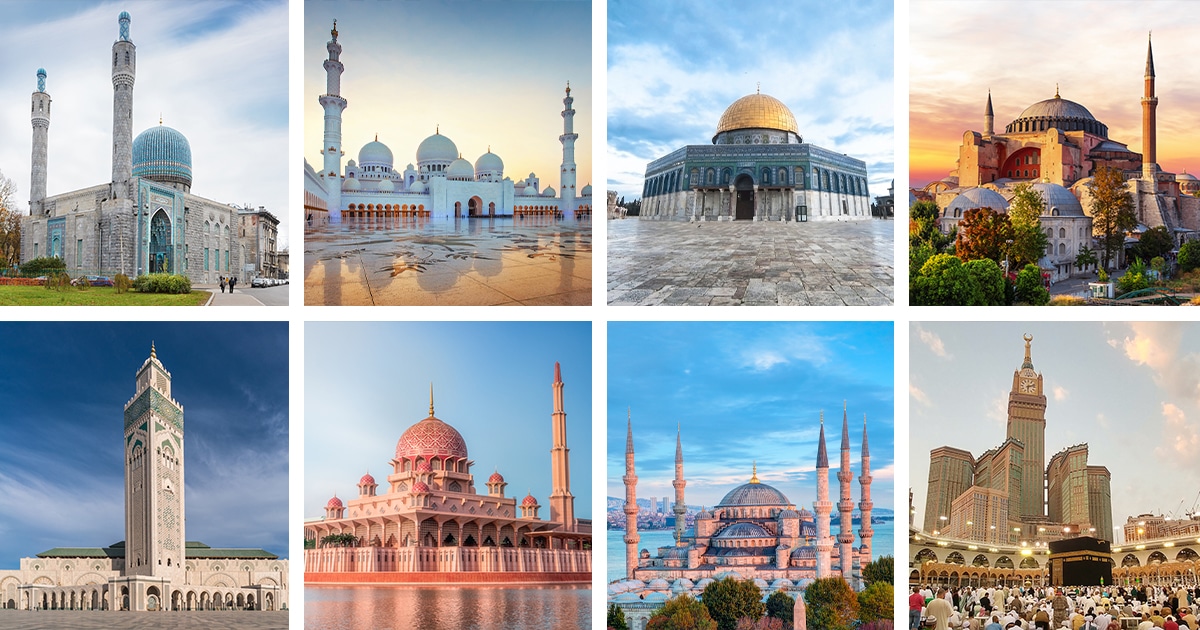
unitedfnafans.org – Islamic art and architecture are among the most distinctive and influential cultural expressions in the world. Spanning over a millennium and a vast geographical area, these traditions have developed a unique aesthetic that is both diverse and cohesive. From the intricate geometric patterns of the Alhambra in Spain to the soaring domes of the Taj Mahal in India, Islamic art and architecture have left an indelible mark on the global cultural landscape.
The Origins and Development
The origins of Islamic art and architecture can be traced back to the 7th century, following the revelations of the Prophet Muhammad in what is now Saudi Arabia. Initially, the Islamic faith discouraged representational art, which led to the development of a rich tradition of abstract and calligraphic motifs. As the Islamic empire expanded, it absorbed and synthesized elements from the cultures it encountered, including Persian, Byzantine, and Moorish influences.
Key Elements of Islamic Art
Islamic art is characterized by several key elements, including:
Calligraphy
Calligraphy is considered the most noble of the arts in the Islamic world. The Qur’an, the holy book of Islam, is written in Arabic, and the beauty of its script is revered. Calligraphy is not only used in religious texts but also adorns buildings, manuscripts, and everyday objects.
Geometric Patterns
Islamic art is famous for its intricate geometric patterns. These patterns are often based on the division of the circle and include stars, polygons, and intricate interlacing designs. They are found in mosaics, tiles, and carvings, and are believed to symbolize the infinite nature of God.
Vegetal Motifs
Vegetal motifs, such as arabesques and palmette patterns, are another hallmark of Islamic art. These flowing, organic designs are often combined with calligraphy and geometric patterns to create a harmonious composition.
The Architecture of Islam
Islamic architecture is as diverse as the regions it encompasses, yet it shares certain characteristics that define it as a cohesive tradition. Key architectural features include:
The Mosque
The mosque is the most important building in Islamic architecture. It is designed to facilitate communal prayer and is oriented towards Mecca. Key features of a mosque include the mihrab (a niche indicating the direction of Mecca), the minbar (a pulpit), and the minaret (a tower from which the call to prayer is issued).
Domes and Arches
Domes and arches are prominent features in Islamic architecture. Domes are often used to cover the central space of a mosque, while arches are used to support the structure and create a sense of spaciousness.
Courtyards and Fountains
Many Islamic buildings feature central courtyards, which provide a place for gathering and reflection. Fountains are often included in these courtyards, symbolizing the rivers of paradise and providing a source of ritual ablution before prayer.
The Spread and Influence
The spread of Islam across three continents has resulted in a rich tapestry of regional styles. From the Moorish architecture of Spain and Morocco to the Ottoman mosques of Turkey and the Mughal palaces of India, each region has contributed its own unique flavor to the Islamic architectural tradition.
Conclusion
Islamic art and architecture are a testament to the creativity and spirituality of the Islamic world. Through the centuries, these traditions have continued to evolve, adapting to new technologies and influences while remaining true to their aesthetic roots. Today, they continue to inspire and captivate people around the globe, serving as a bridge between cultures and a reminder of the beauty that can arise from the human spirit.